

Love camping off the beaten track? Prefer to avoid tourist-filled official campsites? Then the below wild camping gear tips will come in very useful. Even the most experienced wild camper will know there are items you’ll forget to take camping.
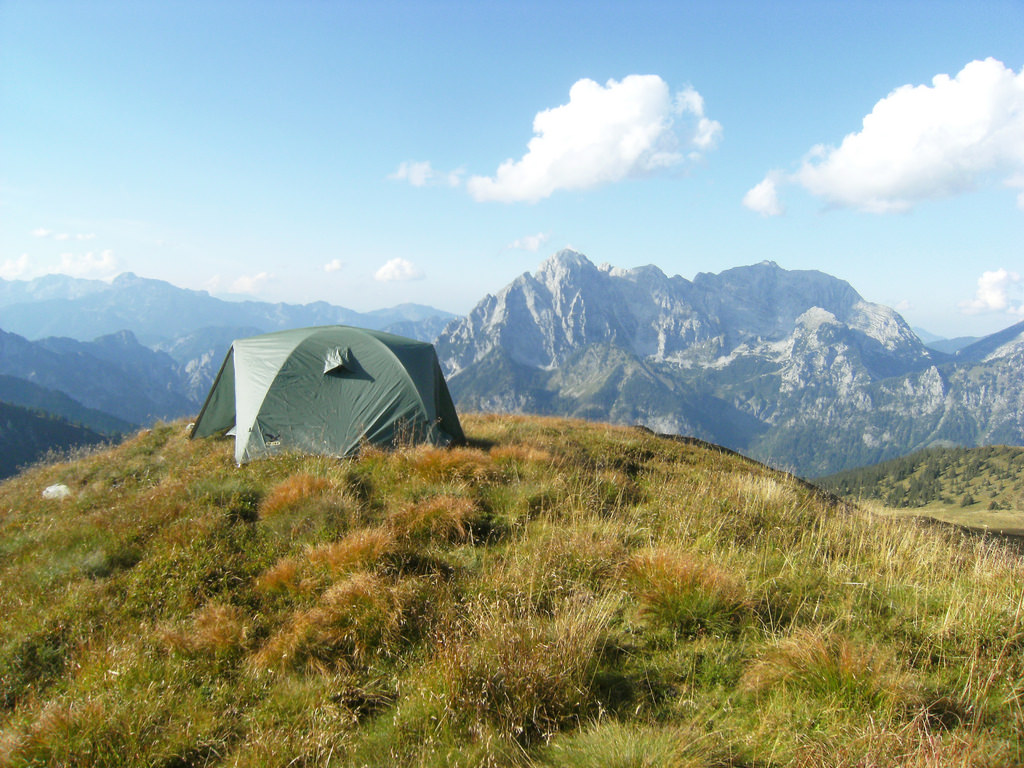
By wild camping we mean any overnight stay somewhere that does not have camping facilities. This could be out in the wilderness, or in your local woods. It could also be in a designated camping area in a national park that does not have facilities or a night on a beach.
10 items you’ll forget to take camping
This list is essential reading before setting off on your next wild camping adventure. Of course, your checklist can vary, depending on where you are planning on pitching up.
UK wild camping is very different to a trip to the jungle, for example. But there are some essentials that you always need:
Shelter
OK, so it’s unlikely you’re going to forget your tent (although you can be sure it does happen) but you should check you have everything you need. I have known people to forget the poles or the pegs, or to turn up without a groundsheet.

It is also important that you have a suitable shelter for your trip. In the UK you might just need a tarp, but if its very cold you’ll want an enclosed tent to keep heat in.
Conversely, jungle wild camping requires you to get off the forest floor and all the nasty creepy crawlies that live down there. A hammock with net or hammock tent might be a better option.
Whatever your destination, try and go for good quality but lightweight options. Afterall, it’s likely you’ll be carrying it around a fair amount.
Water storage
Water is perhaps the number one essential of any camping trip. Without it your trip may well end in disaster.
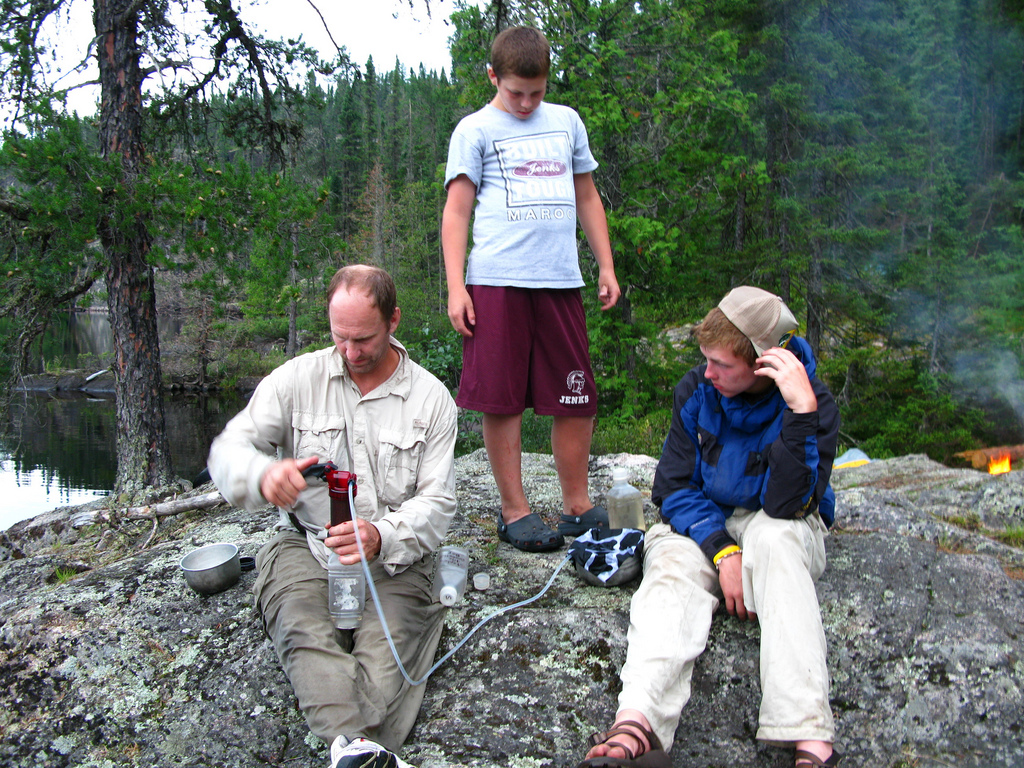
Away from the safety of an official campsite with its drinking water taps, you need an easy way of storing and carrying water. Collapsible water containers are ideal for this if you can’t find a fresh source of drinking water nearby.
You also need to be aware that not all fresh water is drinkable. So you need to bring a purification method. You can use tablets, boil water before use or use a filter such as those by Lifestraw or Sawyer.
Knife
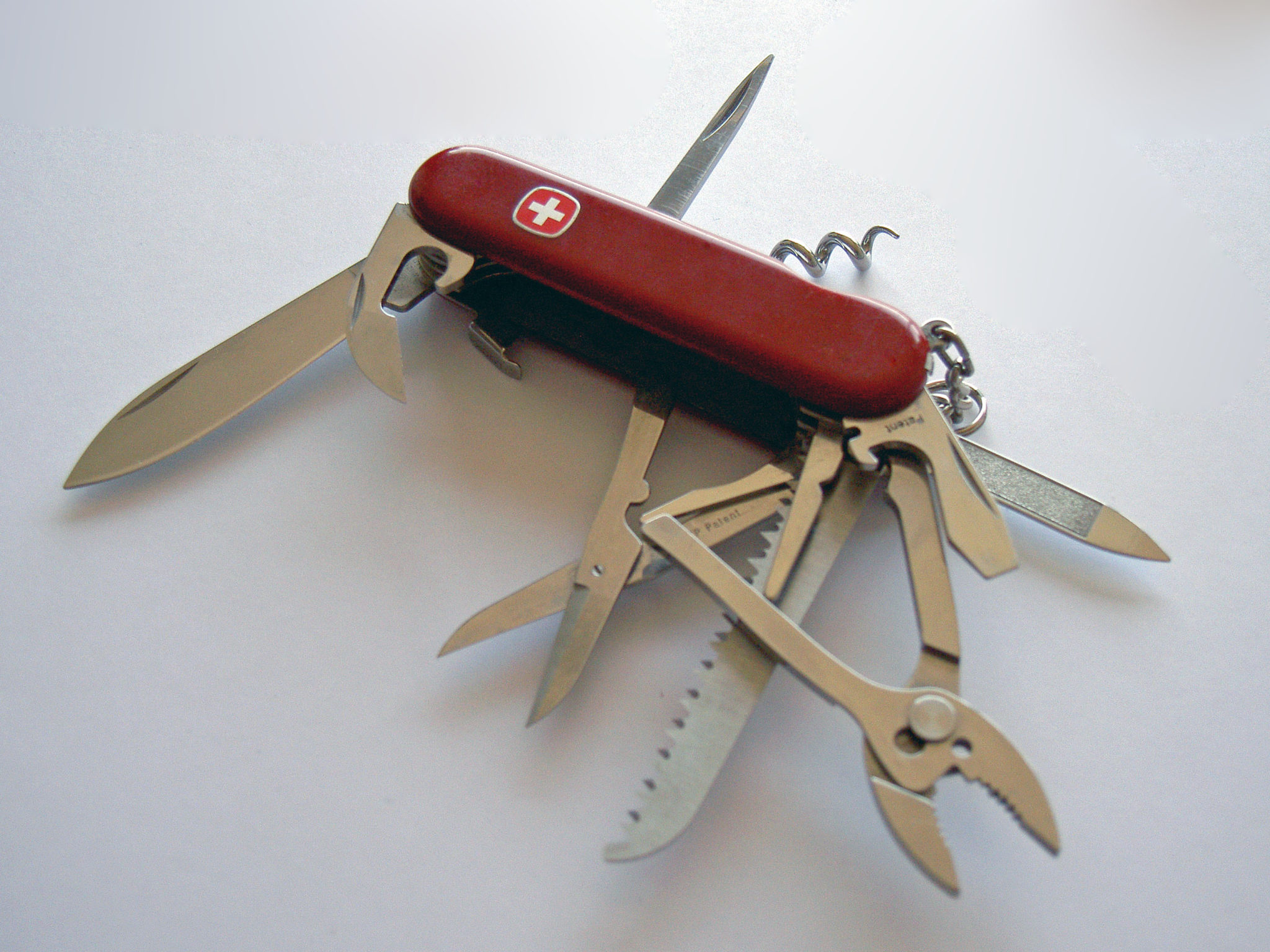
We could list all the ways a knife might be useful when camping. But you probably don’t have several hours to read them. Taking a high-quality survival knife, or a trusty pocket knife, is one of the most important wild camping gear tips.
What type is a tough one. Many people like a proper sheath knife, however carrying one in the UK could be classed as illegal – check out UK knife law. So it is probably best to go for a penknife or multitool instead.
Gloves
A pair of sturdy work gloves is another must-pack item. They are very useful when collecting firewood in places with nasty critters. But they can also simply help to prevent cuts, burns and splinters in remote places were little injuries can become big problems.
Lighter / Matches
You may need to get a fire started quickly. Yes, it’s an incredible feeling to do it the natural way but in an emergency you won’t have the time. So, always carry at least two ways to start a fire and ensure they are kept dry.
Medical supplies
Never set off without a basic medical kit. As mentioned above, the further you are from civilisation, the greater risk even a small injury poses. Bandages, plasters, gauze and painkillers should be in your pack, at the very least.
Insect repellent
Insect repellant is one of the items you’ll forget to take camping because you don’t always need it. But arrive in the perfect spot without it and insects could ruin your trip.
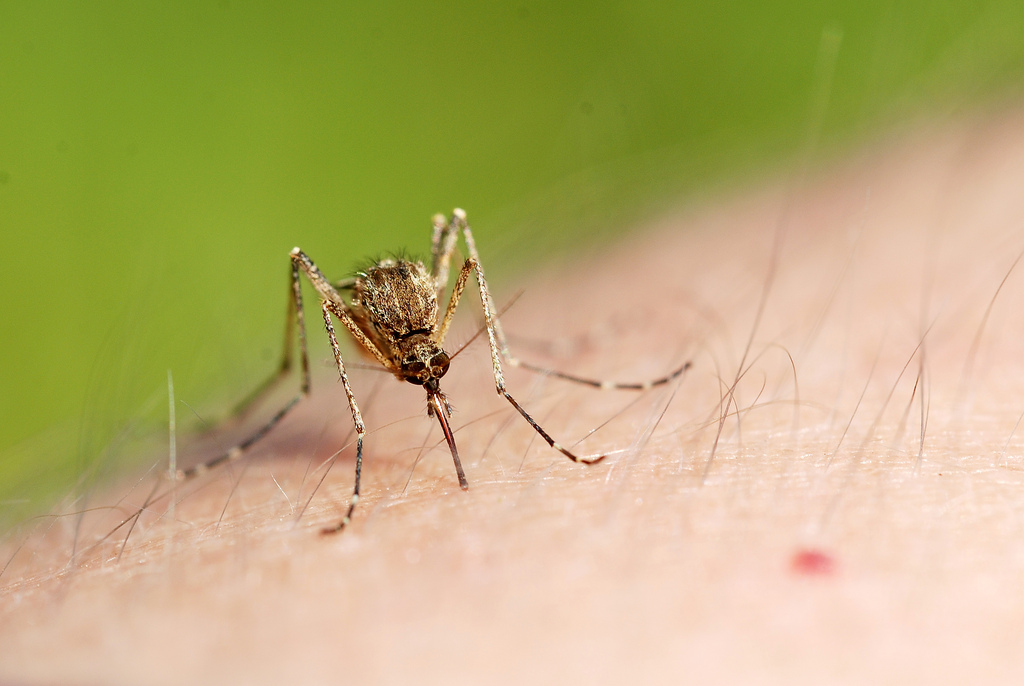
If mosquitoes come out to play at the very least you can forget about a good night’s sleep. So one of the most important wild camping gear tips by far is always take insect repellent even if you don’t think you’ll need it.
Sun protection
We could literally repeat the above information for insect repellent word for word for sunscreen. It might not be a matter of life and death (in the short term at least) but sunburn can ruin a trip and is no fun at all.
As well as sunscreen, a hat comes under this section and is another item you’ll forget to take camping. Plus something to create a bit of shade when you camp, such as a small tarp to string up, is very useful.
Air tight containers
Like knives and gloves, these are another essential that have a multitude of uses. Keep your matches and kindling dry. Help keep food fresh for longer and protect it from insects or being sniffed out by bigger and potentially dangerous animals.

Compass and map
By all means take a modern GPS system or even your mobile phone with Google maps or an app. But in case your technology fails (batteries run out, kit gets wet, lost or broken) you need to have an idea of where you might be going.
A compass is tiny and lightweight. Combined with a map or even a general sense of your position, and it could save your life when camping in the wilderness.
Wild camping gear tips
If you are a regular wild camper, the above ten things are all items you’ll forget to take camping at least once. So, it’s worth adding this gear to your own personal checklist. And, be sure you go through it before you set off!
Perhaps there should be an eleventh item on the list of wild camping gear tips. This is something that doesn’t weigh a thing and if you do a little work, something you can never leave behind. Namely, common sense.

Wild camping is a great way of getting in touch with nature and testing your mind and body. Be sensible, follow the rules of wild camping, such as leaving the site as you found it. And you can avoid any pitfalls and dangers that you might face.
Getting lost, bitten, burned, cold, wet or attacked are all potential risks you may encounter. But take everything on the above list and apply your common sense and you are likely to have a safe and fun wild camping experience.
We hope you found these wild camping gear tips useful. are then any more items you’ll forget to take camping


Helpful! Thank you for enlightening me on preparing for wild camping. Your tips are awesome.
Thanks!