A whole lot of people out there when posed with the question ‘what different kinds of surfboard are there?’ would reply with a concise ‘big ones and small ones’. There is, though, a whole lot more to it than that, with a range of different surfboard types to choose from.
Before we even talk about the different surfboard types we should briefly mention the myriad different fin set ups out there. You could have a single fin, a dual fin, a three fin thruster shape, a quad fin – there’s even lads out there who’ve lost the run of themselves and are using five, six and seven fins.
We could also talk about the different tails of a surfboard (the back end of the surfboard). You could have a pin tail, a round tail, a squash tail, swallow tail and a good few more.
Fins are important as they affect the stability, drive and maneuverability of a surfboard, while the different tail set ups lead to different turning and handling. Now, if you consider how much of a difference these relatively small changes make to the overall feel of a surfboard, imagine how much a totally different board will shape your surfing experience.
Swell board
This would be the bottom of the barrel, entry level board. Swell boards are usually over ten foot in length, a foot in girth and are made out of a soft but durable foam, they’re most often the preserve of surf schools.
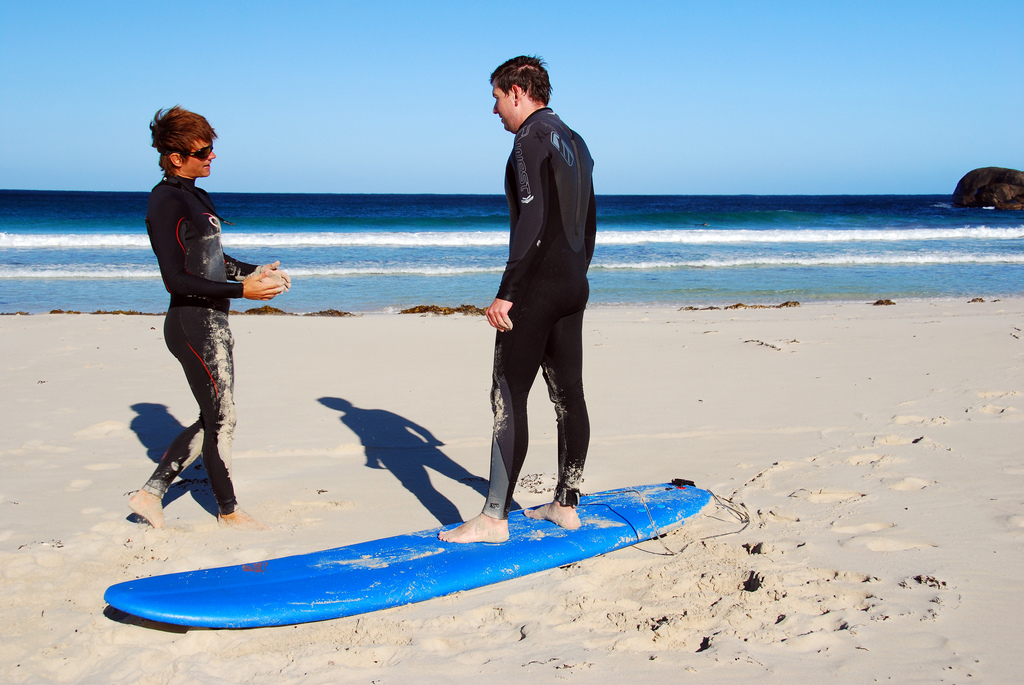
The general idea behind them is to provide a solid platform for the beginner to get up on, soft enough not to break anyone’s head upon impact but strong enough to survive a battering. On these counts they’ve done well, though you’d have a better chance turning the QEII down the face of a wave.
Malibu
A Malibu board was originally designed with Malibu California’s famous right hand point in mind. It’s of the same family as a longboard but it manages to be a bit more maneuverable. Thus Malibu-esque boards tend to be a popular choice for fledgling surfers starting out.
The French Pen company BIC decided to cash in on this and created a hugely popular beginners board called the Mini-Mal. Keep your eyes peeled at any beachbreak across Europe and you’ll see these in their dozens. The genius behind the Mini-Mal is its hard plastic exterior – this thing could survive a nuclear winter.
Longboard

Due to their large size, longboards are easier to get up on than high performance shortboards, so they sometimes end up being thought of as another beginner’s board. This, though, is far from the truth.
Longboards usually range from eight to fourteen feet in length and when ridden well can lend a flow and grace to the sport that isn’t possible with other boards. They are the earliest style of surfboard, dating back to the original ancient Hawaiian surfers, but they continue to have a foothold in the sport. Today top level surfers often choose a longboard ahead of anything else.
Shortboard/Thruster
This is the most iconic surfboard of today. A board typically under six and a half feet, thin both in width and girth and pointed at the nose. This is the board that is most used by surfers at the top of their game, and floundered around upon by surfers who wish they were on top of their game.
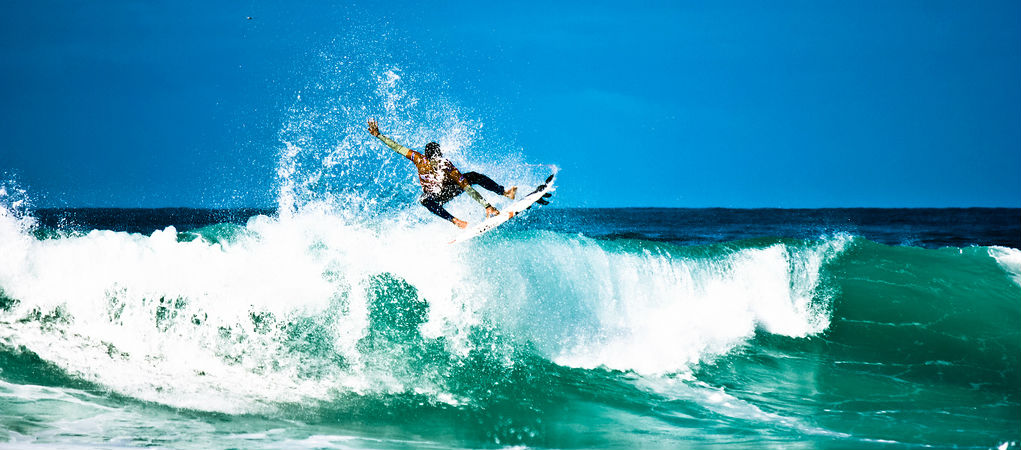
It’s designed to be fast and very maneuverable so that surfers can throw their weight around and really carve up the waves.
There are many more subspecies of surfboard, from the Fish to the Egg, the 2+1 to the Mini Tanker, or the Funboard and the Gun. What I’ve given you here is a brief overview of the spectrum of different surfboard types. So now it’s time to head out and find the board that suits you.