


Each hostel will have people staying who have travelled all over the world. It’s part of the hostel experience to mix and share stories, reveal travels far and wide, and soak up the experience of others. And one common theme or sensitivity comes through when socialising with well-travelled people: a love of nature.
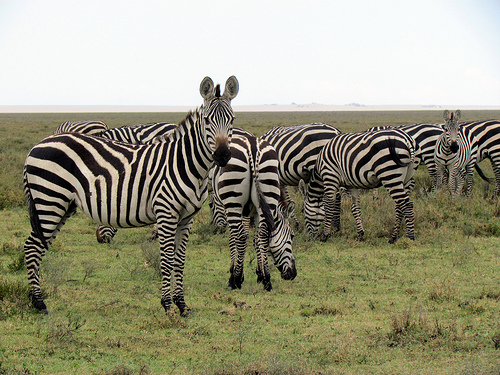
Our appreciation of the planet’s fragility is a relatively new thing. Until recently, surprisingly few people realised what impact we were having on the environment. Happily things are changing. One noticeable move is the interest in conservation holidays and eco-tourism. If there is one way to see nature up-close while directly supporting its protection, it’s by taking safari holidays.
Conservation, however, is not complete protection: animals on wildlife reserves are not hidden from natural predators, nor are they shielded from the worst nature can throw at them – just from the dangers we can pose to their survival.
Keeping animals in zoos helps breeding programmes for those truly endangered species, but to better understand how eco-systems and natural environments are preserved, it’s always best to get to the countries where these animals originate and see what’s being done.
Previously people went on game safaris to collect trophies; today tourists prefer to shoot animals with cameras. By going on safari your money goes into the local economy and helps create jobs. Well-trained guides help find you the best picture opportunities, and thanks to funding and international initiatives, some of the most precious habitats on Earth are helped. When managed properly, the safari offers real-time conservation and unforgettable travel experiences.


