

I was recently asked by a friend ‘what is SUP?’ Confusingly (for him) I answered ‘nothing, I am fine’. I then realised he was not asking ‘what’s up?’ but wanted to know what SUP is. So I put together this beginners guide to stand-up paddleboarding to answer the question.

What is SUP?
Stand-up paddleboarding (SUP) is a method of propelling oneself over water while standing upright on a board and gaining momentum through the use of paddle. A rider is able to catch and surf waves or simply explore a flat body of water.
The sport has seen a massive growth in popularity over the last decade, with more and more people discovering its enjoyment. Enthusiasts praise the activity for its brief learning curve, lack of a need for waves, and fantastic core workout.
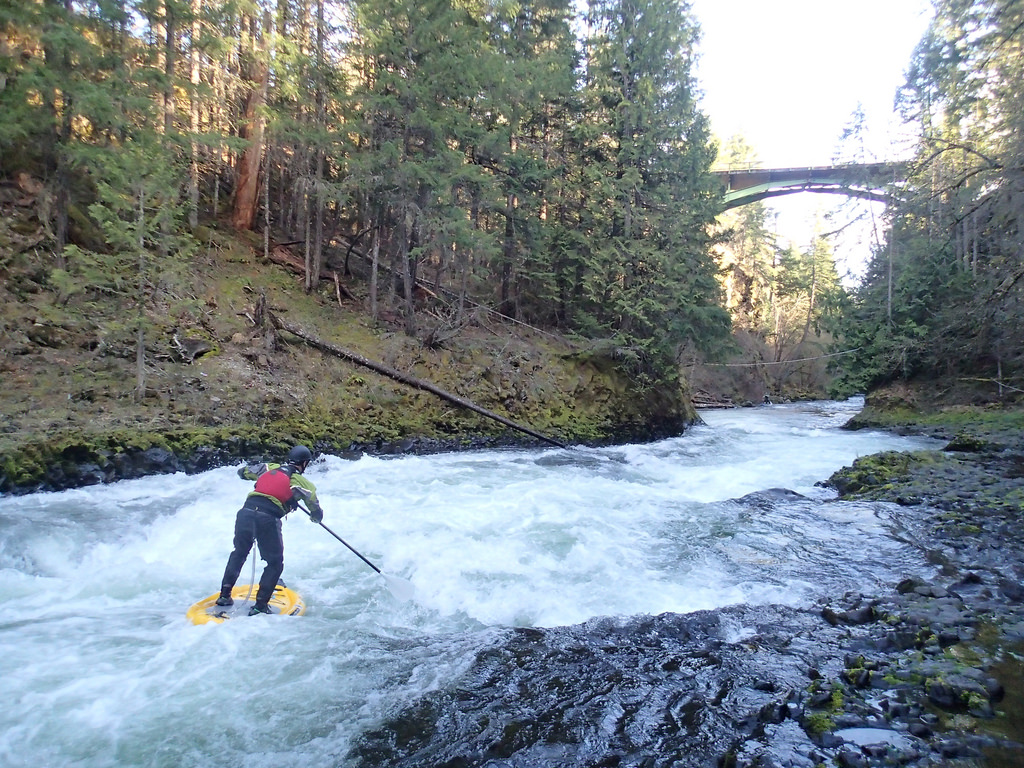
In fact, paddleboarders claim several advantages over surfers. Firstly, the absence of any kind of pop-up when catching a wave. And secondly, the lack of a need for waves – you can paddleboard on the flat, in chop, on rivers, lakes and even through rapids.

Beginners guide to stand-up paddleboarding
Ten years ago, paddling out into surf seeing an SUP in the line up was an uncommon occurrence. Today, the rarity is seeing a beach without stand up paddleboarders.
While one drawback may be the hefty price tag of a new board and paddle, this hitch is easily overcome by the availability of rental shops and the durability of the gear. You can also get lessons or a beginners guide to stand-up paddleboarding all over the world.
The simplicity and inherent delight of stand-up paddleboarding will only continue to boost its popularity in coming years and earn it accreditation as a major water sport. And there’s still small firms crafting custom SUP boards – not the huge production lines you sometimes associate with boards made for other sports.
Hawaiian origins of SUP
Large stand-up boards existed in ancient Hawaiian times, but the modern history of SUP dates back to the 60s. It was a transitional period for surfing. The sport was entering mainstream consciousness and an air of ‘coolness’ enveloped those who embodied the lifestyle.
Tourists from all over the world flocked to the epicenter of surfing ‘the Hawaiian Islands’ to try and catch the addictive stoke of riding their first waves. Realising the business opportunity, local Hawaiians sold surfing lessons on their crowded beaches. They discovered the best way to instruct a large group was on a board large and sturdy enough to stand on, even when not on a wave.
Enter the paddle as a means of propulsion, and stand-up paddleboarding was born. The sport remained vastly overshadowed by traditional surfing until the past twenty years or so. Career watermen like Laird Hamilton and Dave Kalama furthered SUP by beginning to modify the previously cumbersome boards so they could catch and ride waves as though they were using a true surfboard.
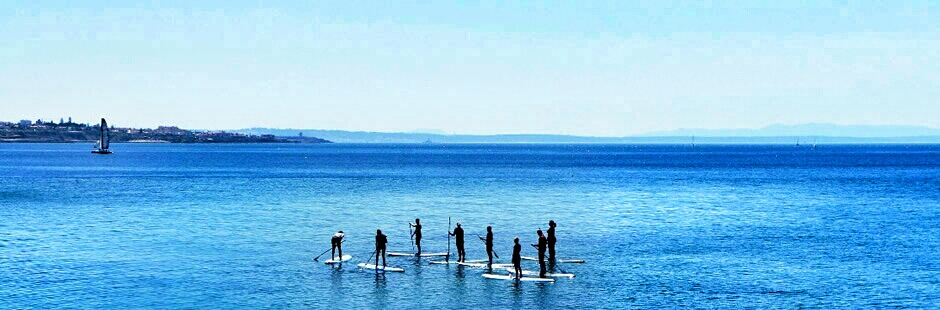
Increasing the appeal, is that paddling boarding is a means of enjoying the ocean when there were no waves to ride. Add to this the effortlessness of learning as compared to surfing, and it’s easy to understand why the sport has suddenly become all over the world.
So if you are asked ‘What is SUP?’ you now have the answer. If this beginners guide to stand-up paddleboarding has you wanted to hit the water then check out our other SUP articles.


