Recent Zimbabwean history is complex to say the least. This southern African country, which has been dogged by controversy, now finds itself in the news again for all the wrong reasons, following the Zimbabwe waterhole cyanide poisoning incident.
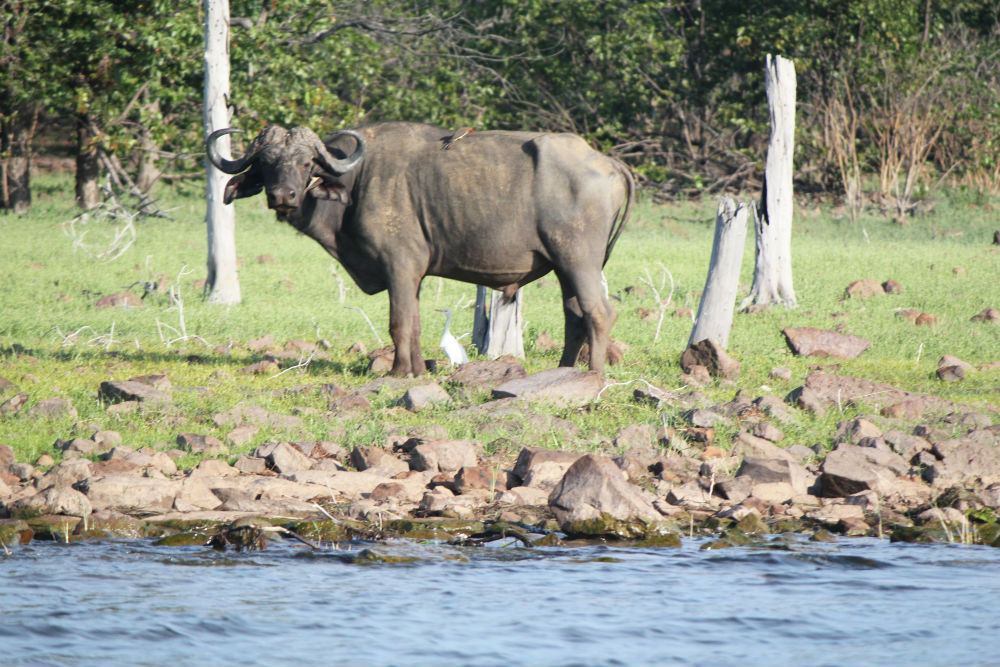
Thankfully, this shocking attempt to destroy some of the country’s wildlife has so far been fairly ineffectual and most Zimbabwean safaris remain open for business as usual. It could have been a lot worse, as you can find out below.
The facts
In recent months the country’s largest park, called Hwange National Park, has found itself at the centre of a poaching crisis. Hwange covers 14,650 square kilometres and is home to an elephant population, regarded as one of the largest in the world.
Poachers have targeted these animals by using cyanide placed near waterholes. Most of Hwange’s game are entirely dependent on artificial waterholes for their drinking water because the land is so arid and has no permanent natural water.
The effects could have been catastrophic because both animals and birds have been targeted indiscriminately in this act of extreme criminality and cruelty. Every effort has been made by all stakeholders to address the Zimbabwe waterhole cyanide poisoning crisis. The responsible minister has personally become involved in the effort to curb the poaching.

What is being done?
Together with The National Parks and Wildlife Management Authority, Wildlife Environment Zimbabwe and concerned parties like the Friends of Hwange Trust, they have made a difference. The judiciary has played its part by sentencing offenders to lengthy prison terms, in the region of fifteen years.
To date, it is estimated that losses have amounted to only about 120 animals with collateral damage extending to various mammals and birds especially vultures. Unfortunately, sensational claims have fuelled media speculation globally that losses have reached 300 or more. But thankfully, this is not the case.
Regular aerial surveys have identified affected areas and assessed the losses. Ground operations are then launched by park rangers to follow up and investigate in a bid to apprehend the culprits. Like so many of Africa’s great parks, Hwange has been targeted by poachers, so an aggressive and determined effort is necessary to stem the losses

As the Zimbabwe waterhole cyanide poisoning crisis management operation continues, work proceeds in the park to ensure the supply of safe drinking water to the pans. Operations of local camps and lodges continue as normal because, more than ever, the park needs the income to support the ongoing anti-poaching campaign. Tourists have not been subjected to scenes of carnage during their game drives. And the park is so vast that the affected areas form only a fraction of the total, which is at least some good news.
More info about the park
Camp Hwange is a recently built luxury camp situated in a private concession inside Hwange National Park, offering an intimate and unique safari experience for travellers. Often considered one of the best Zimbawean safaris, it has the advantage of being near the Masuma Dam where there is a viewing hide and several waterholes.
Guests have the option to do a walking safari with experienced guides or vehicle game drives. Even more exciting is the option of a night drive – the camp has a special concession to conduct night drives within the park.
About the author
Delina is a tour operator based in Zimbabwe and has lived in the country all her life. The company she works for is called Call of The Wild Safaris, who conduct adventure and fishing safaris in the region. For any information or advice please feel free to contact her on fishinginzim@gmail.com.