

The first night I spent in my own campervan was in a car park just outside Kaikoura, north of Christchurch. In the night there were all sorts of weird noises that my mind turned into everything from crazed locals to scary monsters. I spent a sleepless night wondering if I’d just made a terrible mistake, only to discover when the sun came up that I was surrounded by fur seals!

Three months and around 5,000 kilometres later, I sold the van for more than I paid for it. In hindsight I was very lucky to pick one up in Christchurch, and buying a campervan in Auckland is a far better option for most people. This guide covers everything I wish I’d known about purchasing a camper in New Zealand.
My Campervan Adventure in New Zealand
I need to make this clear, I sold in Auckland, but I bought in Christchurch. I hadn’t even planned to travel in my own little home, but a couple of days after arriving from the UK, I met a friend of a friend who was heading home and wanted to sell ‘Woody’, their old, battered, but much loved Toyota HiAce camper conversion.
At first I wasn’t interested, but over a drunken night out the price came down from NZ$3,000 to NZ$1,500 including all their kit. It was too good a deal to turn down, and a spur of the moment hungover decision the next day set me on the path to two of the best months of my life.
South Island
I explored with complete freedom, doing an overland circuit around the South Island. Beginning in Christchurch I went to Kaikoura, around the top exploring Nelson Lakes and Abel Tasman etc, down the west coast via glaciers, beaches and mountains to Wanaka and Queenstown, NZs adventure Capital.
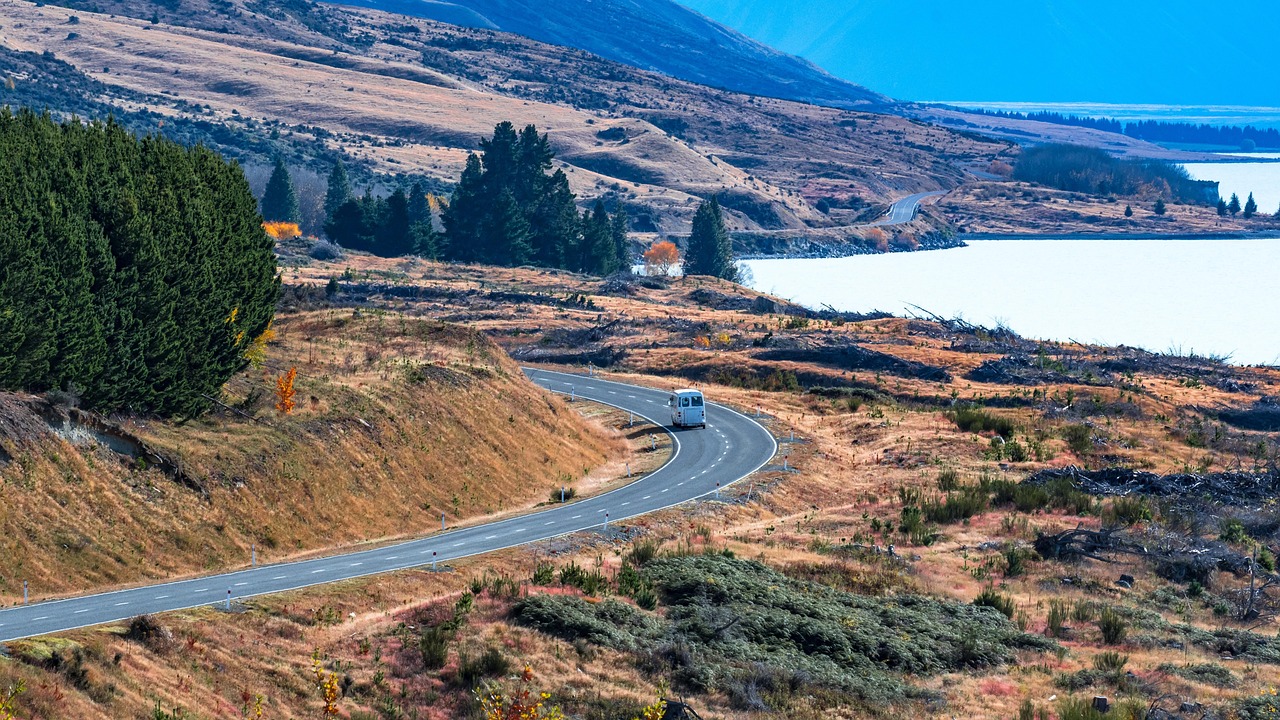
Woody and I explored Milford Sound, the Dunedin area and then came up through the middle of the South Island visiting Mount Cook and Lake Tekapo before ending back in Christchurch. In just over 6 weeks I stayed in far more out of the way and incredible places than I can fit into this article.

North Island
Originally I planned to sell up then, but there was no market in Christchurch, even after I dallied by visiting the Akaroa Peninsula. I was told by most people to head to Auckland to sell my Campervan there. So, I crossed to the North Island and continued my adventure spending five weeks getting to Auckland via pretty much everything of interest there was to see.
Most nights I just parked up where I felt like it, but I also used campsites, and sometimes stayed outside hostels who allowed me to use their facilities for a small fee. From Cape Pallister to Coromandel I criss-crossed the North Island in an erratic manner but generally headed north. Exploring everything from Tongariro to Te Henga, Taupo to Tauranga and Taranaki to the Tutukaka Coast – although I didn’t just visit places beginning with T…
Adventures in New Zealand
As a huge fan of action sports in New Zealand I tried all the best adventure activities! I rafted, hiked (a lot), mountain biked, bungee jumped, snowboarded, climbed, quad biked, rode horses, surfed and kayaked. Less extreme, but still fun, I also swam with dolphins, soaked in hot springs, saw whales and seals, explored glaciers, national parks and summited many, many peaks.
I didn’t want the adventure to end, but I had friends to meet in Australia, and tickets for the 2000 Olympics, so reluctantly headed to Auckland to sell up. Amazingly I sold Woody for NZ$2,600, which more than covered the repairs and other costs I had incurred. Furthermore, I was in a rush, if I’d had more time I probably could have got more.
Guide to Buying a Campervan in Auckland
I got very lucky with my purchase for well below market value, because a friend of a friend had to get home quick. But I would recommend buying a campervan in Auckland rather than Christchurch as there are far more options. While I did this in the year 2000, what I learnt along the way is still relevant, I also got a friend – who lives in Auckland and recently bought a camper – to update with some modern advice.

Why Buy Instead of Rent?
The maths is simple. Renting a basic campervan in New Zealand costs anywhere from NZ$60 a day in winter to NZ$200+ a day in peak summer. If you’re travelling for more than a few weeks, buying almost always works out cheaper — and if you sell well at the end, your total cost can be a fraction of an equivalent rental.
There’s also the freedom factor. Your own van means no mileage caps, no return dates, no insurance excess disputes over stone chips. You can change plans on a whim, which in New Zealand happens around almost every corner!
The trade-off is admin. You take on the paperwork, the mechanical risk, and the job of selling at the end. None of it is difficult, but it rewards a bit of homework, which is exactly what the rest of this article is for.
Why Auckland Is the Best Place to Buy
Auckland is where most travellers land, and it has the biggest used vehicle market in the country by a distance. More campervans for sale in Auckland means more choice, more competition between sellers, and better prices than you’ll find in Christchurch or Wellington.
It’s also where most travellers finish their trips before flying out, so there’s a constant supply of vans coming back onto the market. Often people sell with camping gear, bedding, and cookware thrown in as sellers can’t take it home.
The seasonal pattern is worth understanding. Prices peak in October to December as the summer wave of travellers arrives and everyone wants a van at once. They dip from February to April as people sell up before flying home. If you can arrive slightly out of sync with the crowd — buying in late summer or winter — you’ll get noticeably more van for your money.

Where to Buy a Campervan in Auckland
You have four main options, each with different trade-offs between price, convenience, and risk.
Campervan Dealers
A campervan dealer in Auckland will charge more than a private seller, but you get things money genuinely buys. Travel Cars NZ, for example, is the best option if you are looking to buy a campervan in Auckland. Vehicles will have been checked over, often come with some form of warranty or guarantee, help with the paperwork, and in many cases an Auckland campervan buy-back scheme (more on that below).
Dealers cluster around the city fringe and out towards the airport, and most are used to dealing with overseas travellers. They’ll walk you through registration, insurance, and self-containment rules without you having to figure it out alone.
If it’s your first time buying a vehicle abroad, or your schedule is tight, the dealer premium is often worth paying. Campervan sales Auckland-wide are competitive enough that it pays to visit two or three dealers before committing. Don’t be shy about negotiating — sticker prices usually have some give in them, especially outside peak season.

Private Sales: Trade Me and Facebook
Trade Me is New Zealand’s answer to eBay and the biggest marketplace for cars. When it comes to second hand campervans Auckland they don’t have that many, especially if you are looking for a cheap one in the 10,000-15,000$ price range. However, listings include the vehicle’s registration and odometer details, and you can filter by price, age, and location.
Facebook Marketplace and the various backpacker buy-and-sell groups are the other big source — this is where you’ll find the classic backpacker campervans in Auckland. You can pick up a high-mileage Toyota HiAce, Estima, or Nissan Caravan with a plywood bed frame in the back and hundreds of stories in the upholstery…
Private sales are where you’ll find genuinely cheap campervans for sale in Auckland, and where the biggest bargains and the biggest lemons both hide. Everything in the inspection section below applies double here.
Car Fairs and Backpacker Markets
Auckland runs weekend car fairs where sellers pay a small fee to display their vehicles and buyers wander through comparing options. For a traveller on a deadline, they’re brilliant: you can see fifteen vans in a morning, talk to owners face to face, and get an instant feel for what your budget buys.
Turn up early — the good vans go fast — and treat the on-site vibe as a starting point for negotiation, not a reason to skip checks. Still, be very careful with what you buy as there are many dodgy ‘’regular’’ sellers trying to make top dollar with tourists by selling scrap cars.

Buying from Departing Travellers at Hostels
This is essentially what I did in Christchurch. Staying at the YMCA (I know so cliché) my friend, who had been working there, suggested we meet with his buddies who’d just returned from a tour. Numerous drinks later and I drunkenly agreed to buy Woody their Toyota van…
For those not so lucky…. Hostel noticeboards and word of mouth still shift a surprising number of vans. Sellers flying out in 48 hours are motivated, which means bargains — but also means pressure to skip the due diligence. Never let someone’s flight schedule become your mechanical problem.
Self-Contained Campervans: The Rules Have Changed
This is the single most important section of this guide, because the rules changed recently and a lot of listings — and a lot of blog posts — are out of date.
To freedom camp in most restricted areas of New Zealand, your vehicle now needs to be certified self-contained under the green warrant system. The old blue warrants have been phased out, and the vehicle must have a permanently fixed toilet, usable even with the bed made up. Portable toilets no longer qualify. The vehicle also needs compliant fresh and grey water tanks, a sink with a trap, an evacuation hose, and a sealed rubbish bin, all verified by an approved certification authority. Certification lasts four years and involves an inspection fee plus a government levy.
The practical upshot for buyers: many of the small vans that used to pass as self-contained campervans Auckland sellers advertised — eg the Estima with a porta-potty under the bed — can no longer be certified for freedom camping. If freedom camping matters to you (it’s what I did and I wholeheartedly recommend it), only buy a van with a current green warrant, and check the warrant card and expiry date yourself rather than taking the listing’s word for it. Certified vehicles appear on a public register, so enforcement officers can check compliance against your number plate on the spot, and fines run into the hundreds of dollars.

If you buy a non-self-contained van, you can still travel the whole country happily — you’ll just be staying at holiday parks, DOC campsites with facilities, and other paid sites. So budget accordingly.
Checks Before You Buy a Campervan in Auckland
I bought Woody on a whim, it was the first vehicle I had ever purchased and my ‘checks’ consisted of kicking the tyres and looking under the bonnet and pretending I knew what I was looking at. While I spent some money on new tyres, battery replacement, an exhaust patch and some new wipers I got lucky with just one breakdown.
Whether you buy from a dealer or a backpacker in a hostel car park, run through this list:
Warrant of Fitness (WoF)
New Zealand’s roadworthiness check. Vehicles must have a current WoF, and legally a vehicle must have a WoF issued within the last month at the point of sale unless it’s sold “as is”. A fresh WoF is reassuring but not a substitute for a proper inspection — it checks safety basics, not engine health.
Registration (rego)
Check the vehicle licence is current and note when it expires. Renewing is straightforward and done online or at agents like PostShop, but factor the cost in.

Diesel and Road User Charges
If the van is diesel, it pays Road User Charges (RUC), bought in 1,000 km blocks. Check the RUC label against the odometer — if the odometer reads higher than the paid-up distance, you’ll inherit the shortfall. Petrol vans pay tax at the pump instead, which is simpler but pricier per litre.
Pre-purchase inspection
For around NZ$150–200, the AA or VTNZ will give the van a proper mechanical once-over. On a purchase of several thousand dollars, this is the best money you’ll spend. I’ve watched a fellow traveller walk away from a “bargain” after an inspection found a cracked chassis mount — that NZ$170 saved them thousands.
Money owing check
Run the registration plate through a background check (services like CarJam) to confirm there’s no finance secured against the vehicle and the odometer history is consistent. If you buy a van with money owing on it, the finance company can repossess it from you.
The human factors
Check that the convertible seating actually converts into a bed. If you can sleep-test the bed, or at least lay in it for a while to check comfort. Check for damp under the mattress and around window seals. Ask why they’re selling and when the cambelt was last changed. A tidy service history folder tells you more about a van than any listing photo.

The Paperwork: Easier Than You’d Expect
This is the part that puts people off, and it shouldn’t. To buy a campervan in Auckland as an overseas visitor, you don’t need residency — just ID and a New Zealand address (a hostel address works).
Change of ownership is done online through the NZTA website or in person at an agent, takes minutes, and costs under NZ$10. The buyer and seller each complete their side. Do it the same day you hand over the money — until the ownership changes, any tickets are the documented owners problem not the current driver.
Insurance isn’t legally required in New Zealand and it something i skipped. Being a lot older and a little wiser, at a minimum I would now get third-party cover – if you hit a Range Rover, you want an insurer between you and the bill. Several NZ insurers offer policies to travellers on visitor visas; expect to pay a few hundred dollars for a year of third-party cover.
Can You Buy a Campervan Before Arriving in Auckland?
Yes — and if you’re landing in peak season, it’s worth considering. Several dealers let you buy a campervan before arriving in Auckland, or at least reserve a campervan in Auckland with a deposit. So you get a checked, certified vehicle waiting when you land. Travel Cars NZ are a great option if you want to have your campervan sorted before arrival and be safe on the road.
You lose the fun of the hunt and pay a little more, but you skip a week of hostel-based van shopping in the most expensive month of the year. If you go this route, use an established dealer, get everything in writing, and confirm exactly what’s included – self-containment certification, WoF, rego, and gear.

The related option is a campervan buy-back Auckland arrangement: the dealer guarantees in writing to buy the van back at the end of your trip for an agreed percentage of the purchase price, typically 30–50%. You’ll get less than a good private sale would fetch, but you get certainty — no spending your last week in the country washing a van and fielding lowball offers. For anyone on a fixed departure date, it’s a genuinely sensible trade.
Budgeting: What Used Campervans in Auckland Actually Cost
Prices move with the seasons, but as a rough guide:
- Budget backpacker vans (older Japanese people-movers with basic conversions) start around NZ$8,000–12,000
- Solid mid-range used campervans – Auckland dealers sell Hiace-class vans with proper fit-outs and green warrant certification for roughly NZ$15,000–20,000;
- Genuine motorhomes go well beyond these prices.
On top of the purchase price, budget for insurance, a pre-purchase inspection, any rego or RUC top-ups, and a contingency fund of at least NZ$1,000 for mechanical surprises. Old vans on long trips have surprises. Woody chose Mount Cook for its alternator to die, which at least made for a memorable tow.
Final Thoughts: Do It!
Buying a campervan in Auckland isn’t complicated! Dedicate a day or two to viewings, one or two good inspections, twenty minutes of paperwork, and then the entire country is yours at your own pace. Or, like me, buy one on a whim if the offer is too good to refuse!
The self-containment rules were not in place when I travelled in NZ, but I have been told you should take them seriously. Spend the money on a mechanical check, buy slightly out of season if you can, and keeping the van tidy will help it sell at the other end.
Do those four things and there’s a decent chance that, like me, you’ll have effectively toured New Zealand for the price of the diesel and a few campsite fees. Just don’t let noisy seals alarm you in the night!
I hope you found this guide to buying a campervan in Auckland, New Zealand useful. Looking to explore on foot? Check out the best treks in New Zealand.


