


As we all know, the divers bootie call should be taken seriously. By protecting your feet, these neoprene and rubber babies can become your second soles. Follow these tips for choosing scuba boots to nab yourself the perfect pair.
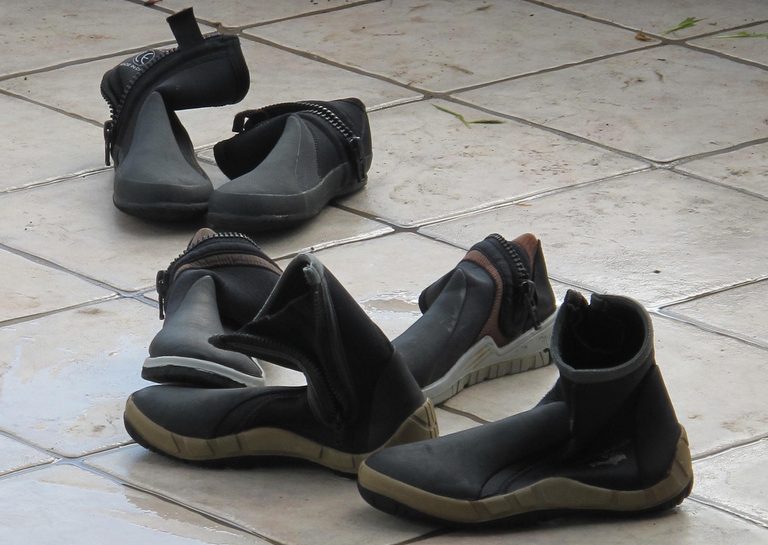
Divers bootie call
But why have scuba boots at all? Many people scuba dive perfectly well with bare feet and fins, so what are the reasons to splash out on yet more kit?
Firstly, warmth. Not everyone gets cold feet when diving but many people do – even in warm water. By keeping your feet dry, they stay warm and it helps to maintain your temperature throughout your body.
Secondly, comfort. Obeying the divers bootie call can also make your fins more comfortable. Particularly if you are borrowing ill fitting fins from a dive centre.
Thirdly, protection. They protect your feet throughout your dive trips from all sorts of nasties. From jagged rocks to broken glass and to sharp coral to hot sand, a hike with all your gear is fraught with potential foot injuries.
Fourthly, grip. Scuba boots are made to provide extra grip. Whether that is on a wet wharf, damp deck, or seaside scramble across rocks. Better grip means less chance of a fall that could end your dive before it has begun.

Tips for choosing scuba boots
So you have decided to obey the divers bootie call, but getting the right boots for you is not quite as simple. So follow these tips for choosing scuba boots to help you make the right decision.
Remember the fins
You will want to purchase your scuba boots at the same time as your fins. Or at least have your fins with you to ensure they fit properly whilst you are booted up. Most likely you will need fins a size larger than normal.
Choosing scuba boots: Size
Unsurprisingly scuba boots come in sizes similar to your shoe size. They should fit like your shoes, snugly, without pinching.
Like most new scuba gear, they will probably be a bit stiff to start with, but even when new, they should never be uncomfortable. If they are too big, they may fill with water resulting in cold feet and less fin control.
Too small and they could slow down your blood circulation eventually making your feet cold, but they will also rub which is painful and distracting. You don’t need these distractions, enjoyment and time in the water is everything, so size up carefully to not spoil your dive.
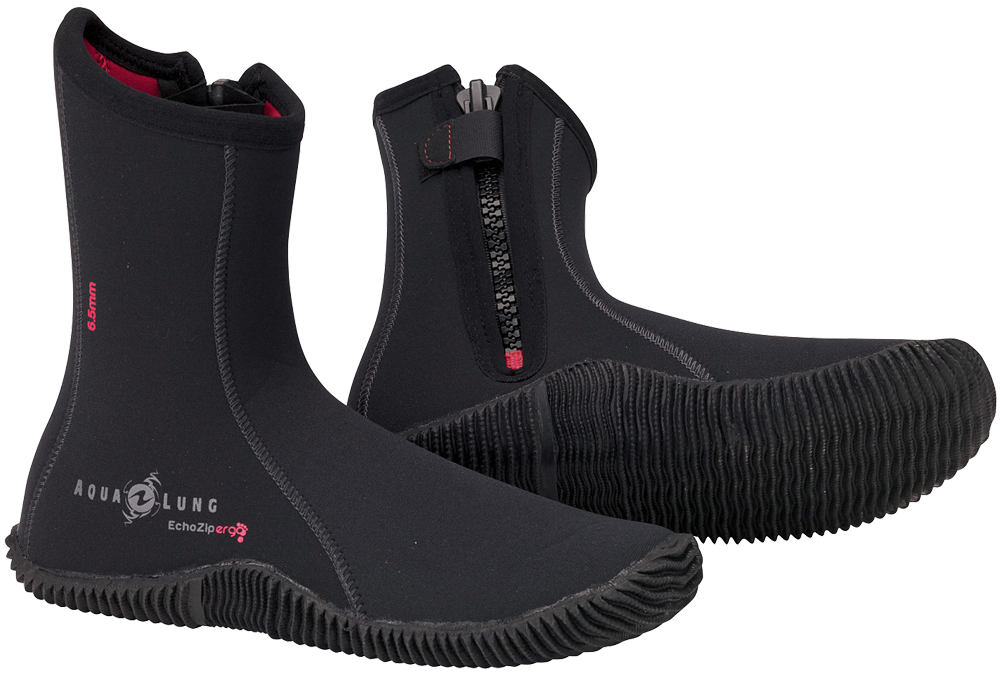 Length of bootie call….
The length of your scuba boots plays a significant role in keeping you warm whilst underwater. It will also dictate how ridiculous your scuba tan looks – think white feet and ankles and thighs but brown calves.
If the booties are too short you’ll have a gap between them and your wetsuit and leave your leg/ankle exposed. It’s usually best to choose boots that end above your ankle and can be secured under your wetsuit; this avoids your boots filling with water.
Zips and seams
When choosing scuba boots you can either go zipped or zipless. Zipped are much easier to get on, but zipless are cheaper. At the end of the day, the style you choose is down to personal preference, and in my case, a bit of laziness and the desire for an easy life (I’m a zipper girl).
If you do choose zippered booties check to make sure the zipper has a backing that will prevent cold water from entering the boots.
Likewise check that the seams are waterproof, as this will also keep your feet warmer. Glued, blind stitched and liquid taped seams are the best type of scuba boots to choose.
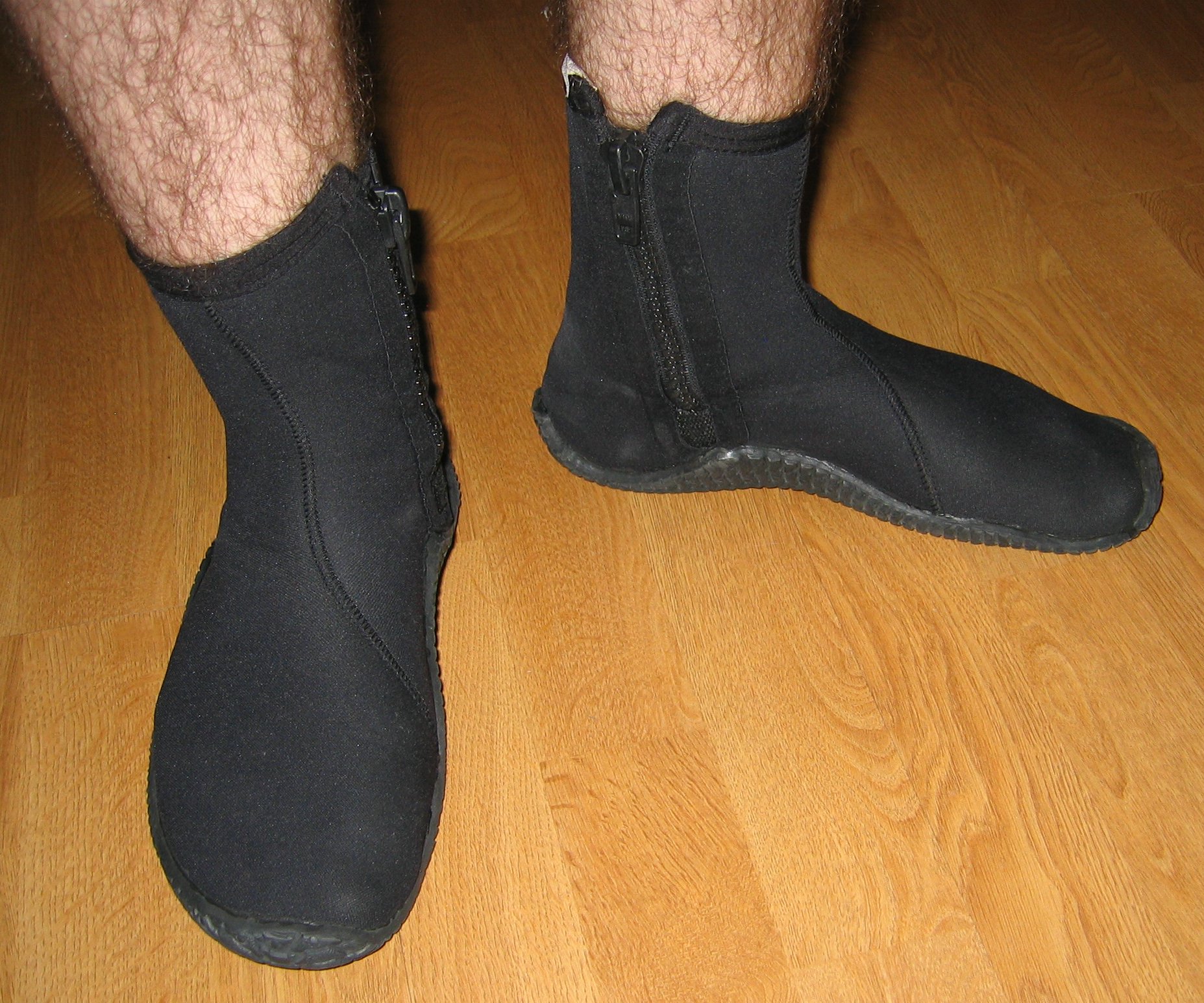
Scuba socks
Instead of boots some people prefer scuba socks. These are easier to get on than boots with more flexibility which some people prefer. On the downside they do not provide as much protection or grip.
Looking after your bootie(s)
After choosing scuba boots it is easy to forget to look after them. They may seem relatively insignificant compared to your wetsuit or BCD, but maintaining your boots properly is essential if you want your divers bootie call to last.
Fortunately, maintenance of scuba boots is pretty much the same as caring for your wetsuit. It’s done with love, fresh water, air-drying and the occasional dunk in Dettol.
Rinse that bootie
When you are finished diving for the day rinse your scuba diving boots in fresh water. Salt water can cause neoprene to lose its flexibility. Not to mention the nasty smell an unrinsed neoprene can have. ‘Nuff said.
Soak your bootie
Soak your scuba boots for about 15 minutes when you get back home, or if you’re on holiday, back at the hotel/resort. You can also use a special wet suit shampoo at this stage or a mild baby shampoo. Occasionally rinsing your boots in a mix of water and mild disinfectant doesn’t hurt either.
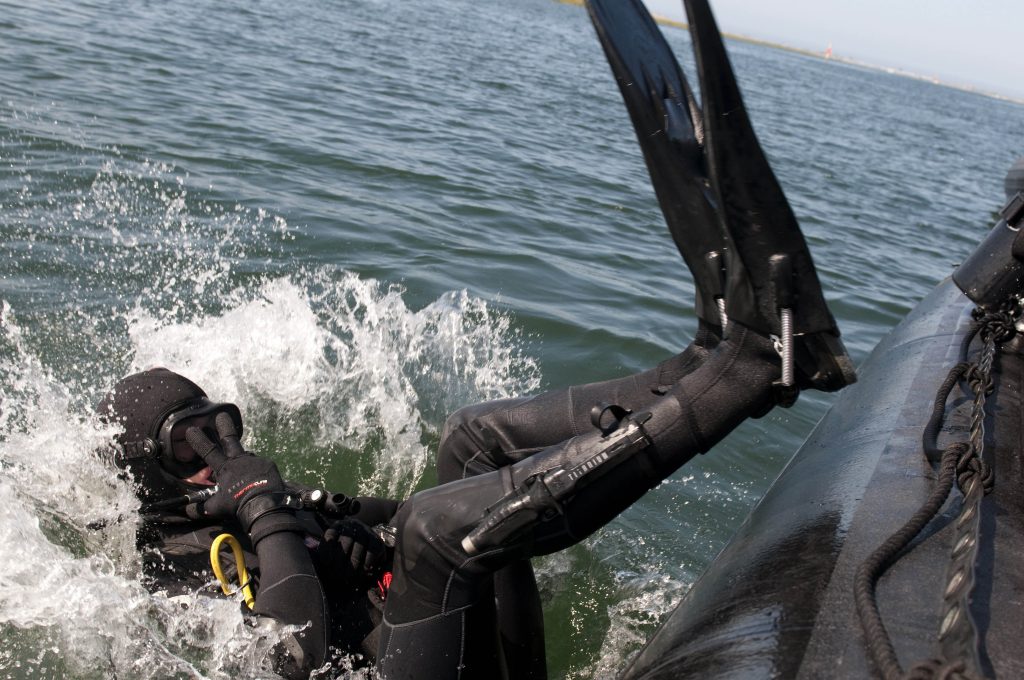
Inspect all booties for damage
Before you store your scuba boots for the next dive trip, check for any rips or tears. They are much easier to fix while small and a bigger problem if you only notice them when putting them on just before a dive.
Bootie storeage
Do not crumple boots up and shove them in a drawer, or store them under heavy gear. This can crease the boots leading both to damage and loss of insulation. Don’t store or dry your scuba boots in direct sunlight.
Oh and keep them away from dogs. They are very chewable.
We hope you found these tips for choosing scuba boots useful. If you plan to obey the divers bootie call then check out our other scuba diving gear articles.


