

Cyclists who don’t fit lights to their bikes are idiots. Buying bike lights is simple, they are cheap, easy to fit and – if you didn’t know – a legal requirement. There are a few different types of cycle light, which I will explain in this guide.
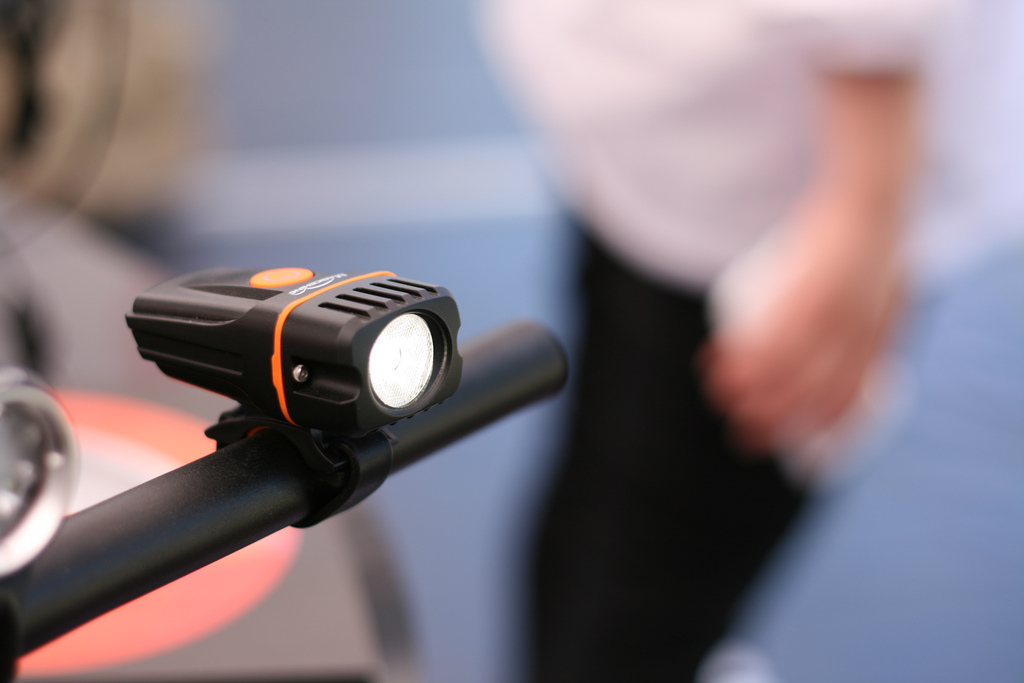
Buying bike lights
Of my 5 cycle safety tips for urban riders, being seen is arguably the most important. And by far the best way to stay visible is through a good set of lights.
Personally, I think we should also use daylights. But while many cyclists I’ve spoken to agree, others pass me and say, in a patronizing voice, “you’ve got your lights on”.
Ask yourself: why is it that motor bikes have lights on during the day? Well, it’s because they are vulnerable in traffic and it gets them seen.
Types of cycle lights
So why don’t cyclists do it? I’d say we are more vulnerable as we end up in and out of the traffic flow. So what types of cycle lights are out there, and which are best lights for your type of riding?
Pocket lights
One of the most common mistakes when cycling is leaving the house without your lights – more specifically, it’s getting caught out without your lights. You stay out longer than you planned, and before you know it you’re cycling home in traffic, in the dark.
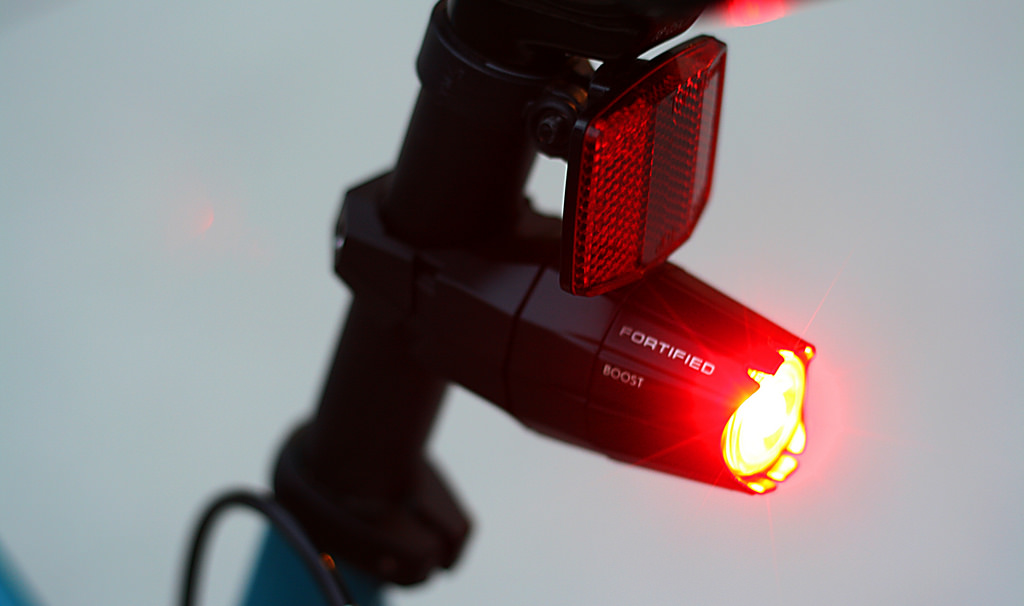
There’s a way round this. Buy some small portable LED lights that fit in your pocket or backpack. No one likes to carry around bulky front and back lights when they might not need them, and you won’t leave good ones on your bike in case they get stolen.
Bike lights
Essential front and back. Flashing lights help you get seen and most models offer 4/5 settings. Low power settings are fine, but many are pointless variations. But there’s so many on the market that it’s hard really to tell which are any good.
Actually, the real problem with bike lights is people don’t bother using them! So as well as choosing lights that flash, pick those that are easy to fit. Avoid cheap models with poor fittings and look for ones that take rechargeable batteries.
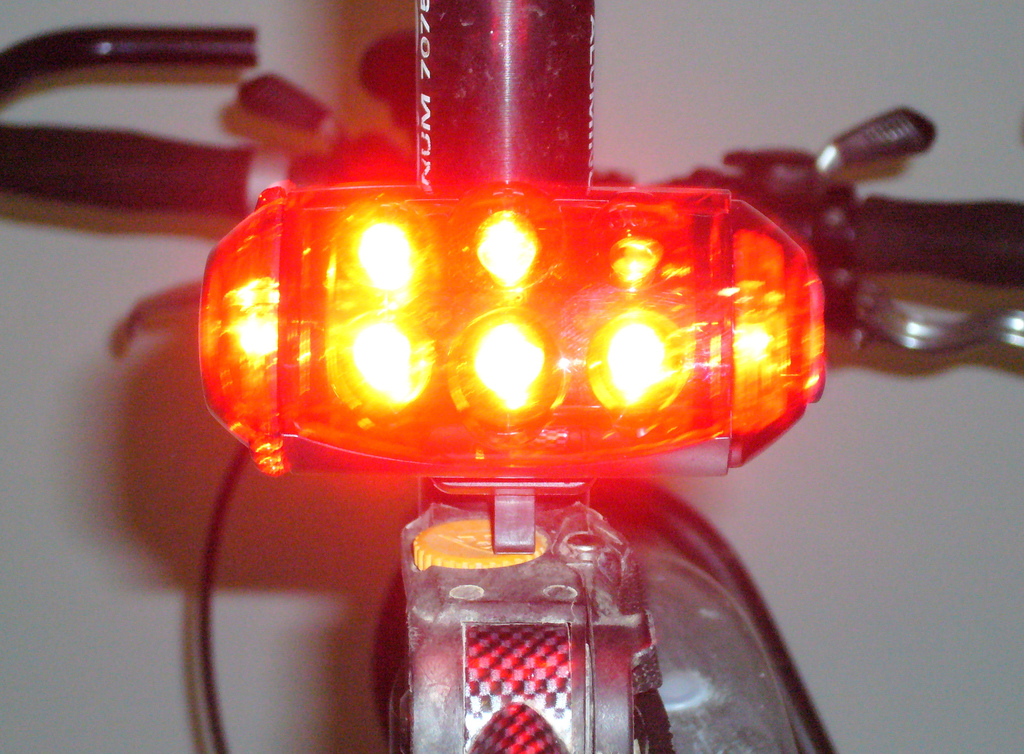
Bigger is usually better in terms of what a driver will see, although a very small, super bright series of LEDs might prove more visible than a large ‘Knight Rider‘ strip of dull ones. (This should be tested, and I’ll happily oblige).
Headlights
With buying bike lights it’s a case of see and/or be seen. If you need to see the ground in front of you, not just be spotted by fellow road users, you need a different type of light. If your route takes you on unlit roads, or if you are a touring /long distance cyclist, you should be looking at buying ‘headlights’.
Of all the types of cycle lights these are the most powerful, so to use them responsibly when in the city. Don’t blind other cyclists, pedestrians or drivers, they’re not jealous of your ‘power’. They will just think you’re an idiot.
Best of all would be to have headlights with variable output – dipped and main beam anyone? Or to pack a pair of pocket lights to use in the city, then light up the headlights when you get out there.

Daylights
When buying bike lights, also pick up a couple of daylights. These could be pocket lights or single LEDs. Alternatively just keep your old cheap ones for day use. Clip one on your helmet, another to the bag or jacket you always use or fix them to your frame.
Next up we plan an article about choosing the right bike lock. There are many great resources out there, but we like this detailed review of the top 10 bike locks.
Now you know the types of cycle lights there’s really no excuse. Wear your lights and brights, day and night.
For more safety tips, check out our article about seven things cyclists never do.


