

Planning to trek the Inca Trail, Kilimanjaro, or Everest Base Camp? You need to physically prepare yourself even if you’re already fit from other sports. Training for trekking holidays is quite specific and centres around two key goals: increasing your cardiovascular capability and improving your muscle fibre endurance.

Of course, those with a high level of existing fitness will usually find this training easier than those starting from scratch. But don’t be put off the idea of training for trekking holidays, as it’s possible to build up your trekking fitness in a relatively short amount of time and it will reap big rewards.
Training for trekking holidays: cardiovascular exercise
The aim of this kind of training is to work the lungs, diaphragm and, most importantly, heart. This will boost your body’s ability to transport and use oxygen, which is vital during tough treks.
There are plenty of different kinds of cardiovascular exercise including running, cycling and swimming. Swimming is always highly recommended because it’s very low impact and a great way of stretching out the lungs. A half hour session three to five times a week is very beneficial for overall health.
It’s also a good idea to try and work on exercises that are similar to the activity of trekking. So, hit the gym and get on the step machine, cross trainer or treadmill and get that heart rate up. If you would rather do it at home then check out Fitness Warehouse as they can supply all the gym equipment you need.
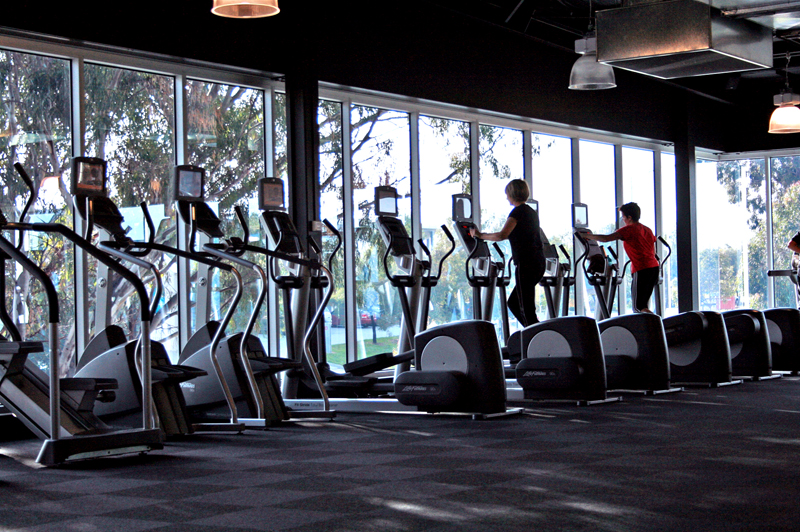
If you’re taking your trekking seriously, then you need to be aiming to get up to around 60 to 70% of your maximum heart rate during your training exercises. This is the key zone for improving fitness levels and improving endurance (sprinters aim to be hitting 90% for intense bursts of energy). You can pick up a heart rate monitor to help you make accurate measurements and chart your progress.
Training for trekking holidays: muscle fibre endurance
As we’ve mentioned above, as well as improving your overall fitness levels, you need to improve your muscle fibre strength in the places you need it most. So this involves training those areas used for trekking. This anaerobic training involves weight and strength training, using your own body weight or excess weights.
It is best that you speak to a gym instructor who can help tailor a workout to suit you as this will be individual to your existing strengths. Remember you will be carrying a pack so this should be factored into your training.

Get in shape for your trek by trekking
It sounds obvious but get out there and start trekking. Go for local walks with a heavier backpack than you need, over time start walking further and make the pack heavier. This is also useful for breaking in your walking boots and getting used to the gear you will be walking in.
If you are going to be trekking at altitude in the mountains it would be worth planning a weekend trip to get a bit of altitude training in. Altitude makes a huge difference to how well you can hike and it is always good to know how it feels before you hit a serious trail. If altitude is out of reach for training then at the very least session some local hills to get used to walking uphill.
Frequency of training for trekking holidays
If you’re starting from scratch then begin with two to three sessions a week and build up to five over a six-week period. Alternate between cardiovascular and muscular training (aerobic and anaerobic exercise), with 30 to 50 minute sessions of each in the gym, pool or at home. Although your hiking training outside should involve walks that increase in intensity and duration (several hours or more is best for endurance training) building up to your trekking holiday.

Don’t forget to stretch before and after exercise, as this will really help to condition the muscles. A short yoga or pilates routine is well worth learning and sticking to, as this will look after your muscles and help to prevent injury.
Ultimately, the amount of required training for trekking holidays will depend on the extent of your planned trip and your personal goals. Don’t overdo it in training but remember that every effort you exert now will be rewarded when you hit the trail.


