


Maybe you’re about to buy your first acro wing, looking at competition-level XC or sniffing around for the next DHV class in the series. It’s hard not to want a higher-performance paragliding wing – new nylon sure is pretty – but slow your roll. Ask yourself these 6 questions first.
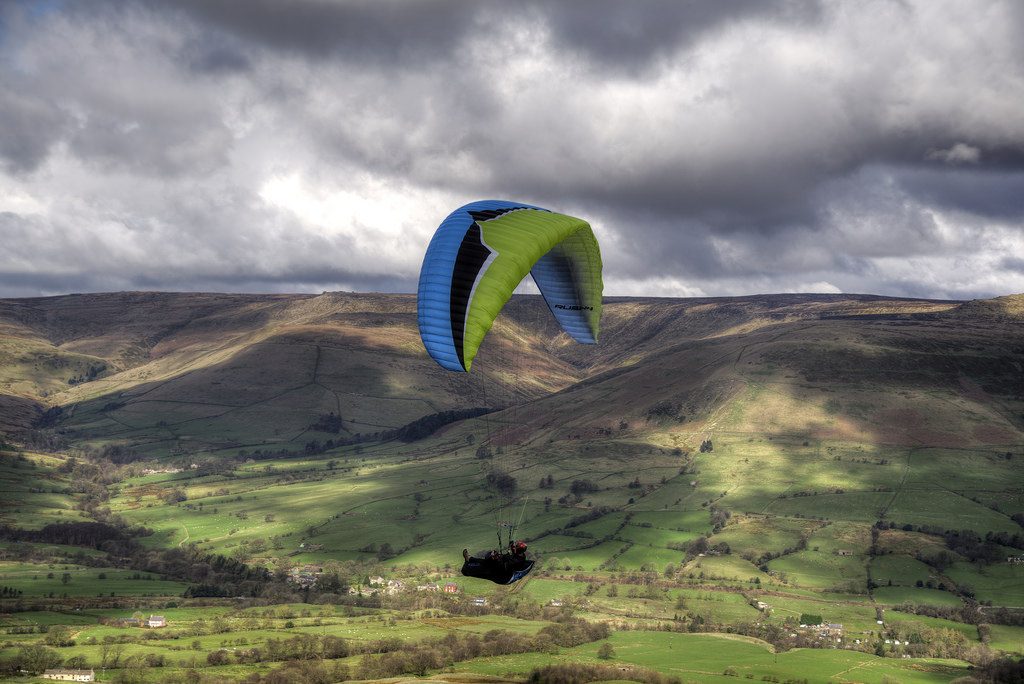
Want a higher-performance paragliding wing?
Bumping up to the next level of paraglider performance works in much the same way as downsizing your skydiving canopy (or, for that matter, any airfoil in free flight). Before you do, you’ll need to ask yourself some very important questions.
1. Why do you fly?
If you want a higher-performance paragliding wing this is the most important question of all: Why do you fly? In other words, what do you want to get out of every flight? Be very honest with yourself when you answer the question.
If you crave the feeling of a confident launch, a successful flight and a spot-on landing, be aware that an upgrade to a higher-performance paragliding wing may cost you all of the above for a longer time than you’d like.

If you’re more interested in the feeling of “winning” (whether or not you were officially competing with anyone else in the air), in getting up to a decent altitude in order to nail some acro or soaring as long (or as far) as possible – take a note of it.
2. Where do you fly?
With a higher-performance paragliding wing, you may find it necessary to travel with your paraglider to find a site that safely accommodates your pilot skills with your new nylon. Some flying sites you love may, with your new gear, become scary places.
Your home LZ may suddenly feel too tight. If you fly at a popular site, the air may feel incredibly crowded, and your movements fast and twitchy by comparison to other pilots with whom you used to cheerfully flock.
3. What is your risk envelope?
Higher performance paragliding wings are always faster than lower-performance gliders. That’s obvious, right? Have you considered, however, exactly how that speed will affect your experience of flight?
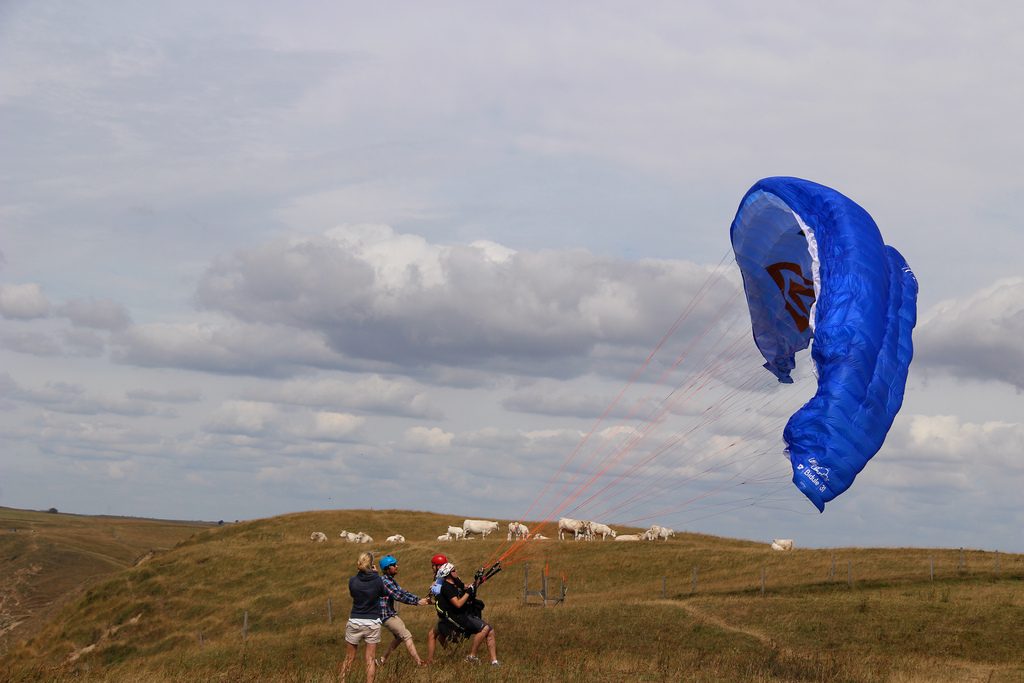
Even a brand-new P2 pilot can generally (at least technically) fly a high-performance glider. They can’t, however, be expected to, y’know, effectively launch or land the thing. After all, faster flight doesn’t just mean high-over-the-ground cruising. It means more challenging launches and landings, with less room for error right next to the ground you’re running across.
In situations that you’re used to “phoning in” – navigating slight turbulence, for example, or bumps delineating a thermal – suddenly become all-hands-on-deck. This makes flying a more tiring, stressful experience until you teach your body how to fly your new equipment.
Another note on speed: fast flight up also means fast flight down. Until you’ve established a healthy relationship with your new wing, you can expect to lose lots of altitude with each botched turn.

4. Are your skills a true match for the new glider?
Along those lines, give your current skills on your current glider a very close look. There’s a chance – a good chance, dare I say – that you’re looking to upgrade to a higher-performance paragliding wing in order to compensate for your deficiencies as a pilot. If you know that in your heart to be the case, it’s well worth putting off the purchase.
Before moving on to a higher-performance wing, you must be able to spot-land your current glider. Not sometimes but every time, in multiple condition types, using every approach method, even in new landing areas. If that sounds like a tall order, you’re right: but it’s no exaggeration.
Spot landing is the single best way to prove that you have the precision-flying skill to put your glider exactly where you want it. You will urgently need this ability when you upgrade.
Don’t take the shortcut, or you may lose your pretty new glider to a tree (or worse) in short order. The quality of the landing is important, as well – but not, for these purposes, as important as accuracy.
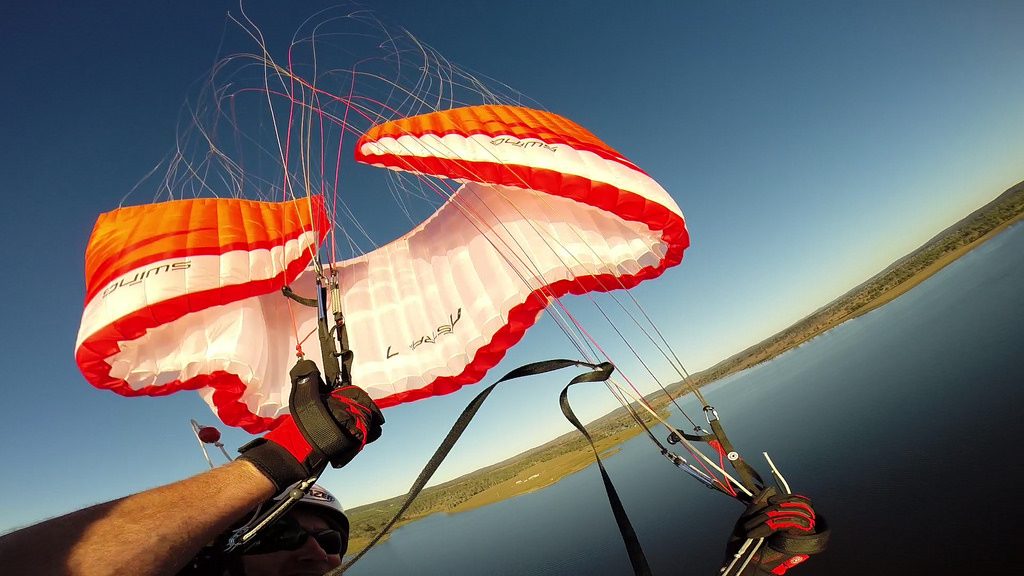
5. Do you really need a new glider?
All these issues point towards the most general question of all: is it a new glider that you need, or would you be better served by keeping your wing? That cash burning a hole in your pocket could go towards quality coaching from a trusted instructor, bringing you closer to your goals on a wing that fits your current level and home hill.
If you’re looking at competition-class XC wings, here’s a question: are you competing? If you’re not flying many times per week, logging more than a hundred hours of flight time per year, there’s very little likelihood that you have the skill to pull the promised performance out of that hotshot wing. There’s no shame in being a recreational pilot. Enjoy it.
If you’re shopping for an acro wing, remember: not long ago, pilots far more skilled than you were doing far more impressive tricks on a lower-performance glider than you’re currently flying. There’s a very good chance you can expand your knowledge tenfold before coming up against the performance envelope of your DHV 1-2 equipment.
Perhaps you won’t look as cool as the kids flipping around their Thrillers, but there’s a massive benefit in practicing acro under your current equipment. You’ll learn every surprise your glider has up its sleeve, making you far safer in challenging conditions and at skill-requisite sites.
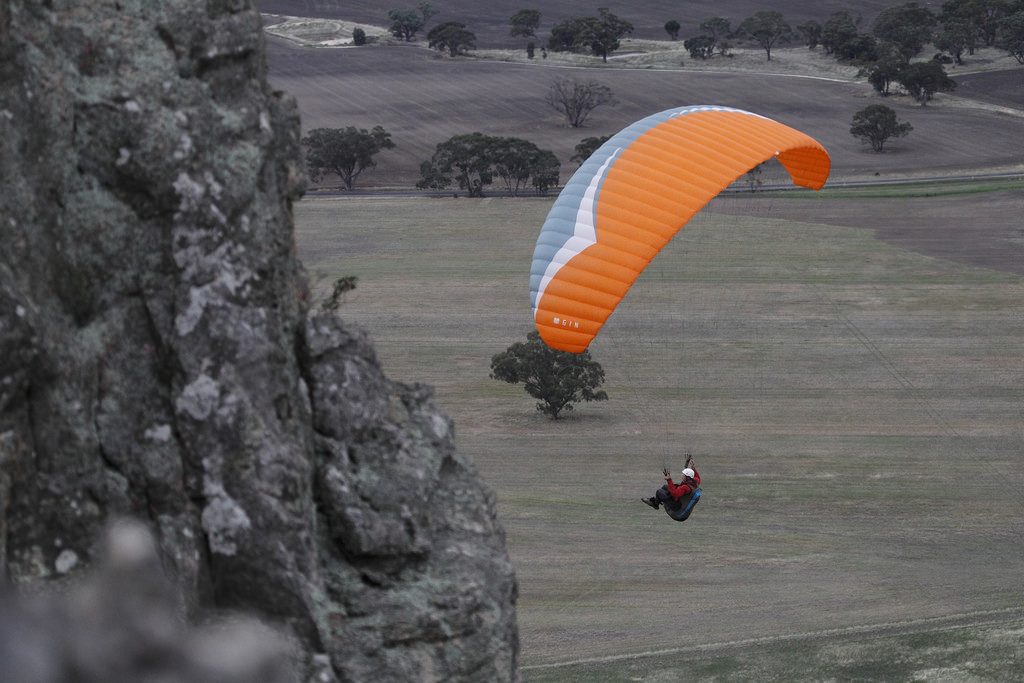
6. Are you having fun?
If you enjoy flying your current wing, stay under it. At the end of the day, the most important thing we’re here to do is enjoy playing in the sky. Not look cool, post a sweet video or thrill Instagram with our mad skills.
Never choose a higher-performance paragliding wing over good old-fashioned fun. The trade-off will never be worth it. And – for heaven’s sake – don’t expect a bump in performance to deliver a bump in enjoyment. It ain’t necessarily so.
Having asked yourself those 6 questions do you still want a higher-performance paragliding wing? Perhaps you’d be better spending the money on a paragliding holiday or skills week instead. If so check out our paragliding discounts.


