

If you’ve been shopping for skis in the past few years, you may have noticed that a new group of small independent custom ski builders and shapers have shown up alongside the usual big name brands. Don’t get them confused with core brands like Line, 4Frnt, CoreUpt, and the rest. These independent companies are the new breed, bringing a new level of dedication, craftsmanship, customisation and care to the products they manufacture.
 They are custom ski builders and shapers. Their products are unique and they are likely to turn heads in the lift queue; the perfect lift line breaker, if you will. Jean-Vincent LeBrun from DID Custom Skis tells us how custom ski builders and shapers make skis by hand.
Specifications to make skis by hand
 There’s something special about gliding down on a pair of perfectly crafted skis that have your name on them. Because of their low production volume, there is a distinct uniqueness to the skis. These are skis that are ‘All you want them to be’. The skis are designed and constructed with you in mind, based on the specifications you enter in a ‘ski profile’ on the company’s website.
The profile lists your weight, height, skiing ability, terrain, previous skis owned, preferences, and other details. The shaper will then contact you within a few days to confirm the order and go over some specific details from the profile. They will also then either suggest a ski shape from within their in-house library or propose an entirely custom shape using the client’s preferred ski length, width, sidecut radius, camber, rocker and weight.
Some shapers offer extras such as carbon fibre, Kevlar™, different fibreglass types, and other specifics. DID (Deliberate Industrial Design) offers three types of wood core at different price points, including a horizontally laminated birch core, a vertically laminated maple/poplar core and a superlight Biolite core with balsa wood. Each core ranges in weight from sturdiest to lightest, thus catering to their preferred terrain of use: from on piste and groomers to backcountry powder.
Graphics and design used by custom ski builders and shapers
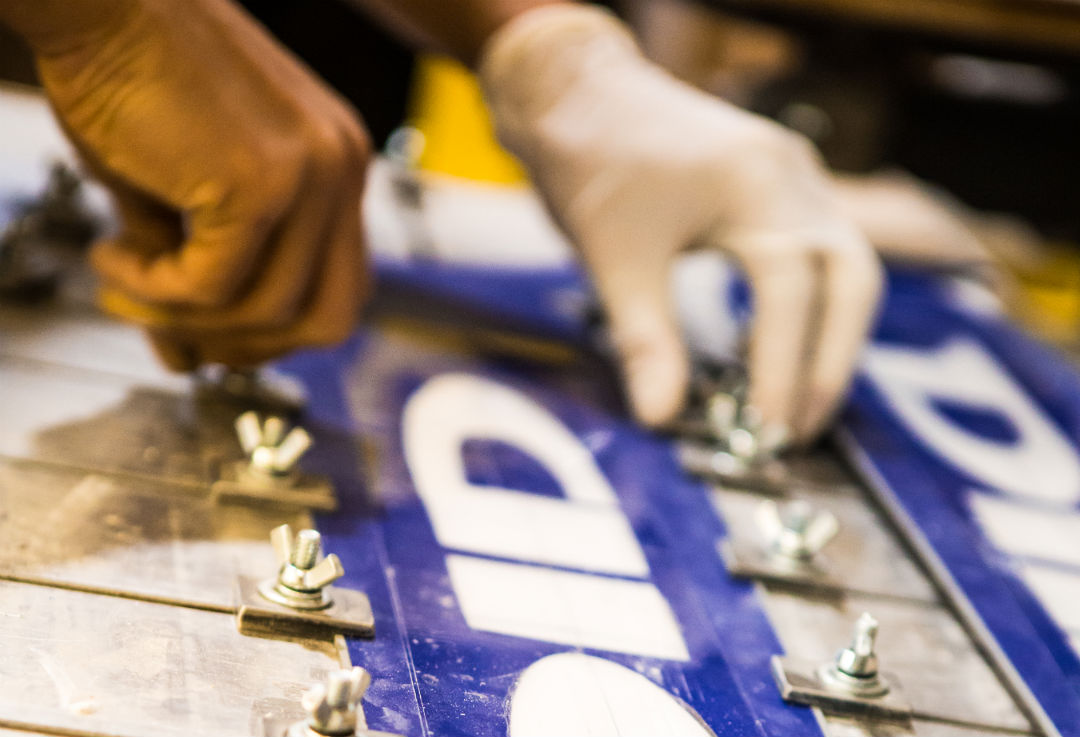
Graphics on skis or snowboards are usually a deal breaker. How often have you desired the specs and reviews of a particular pair of skis but only to be left indifferent by the art on the topsheet? With custom skis, not liking how your skis look is a thing of the past. Most custom ski builders and shapers offer you a choice from around ten or so graphics from their library. Some Shapers will allow you to design your own topsheet graphic.
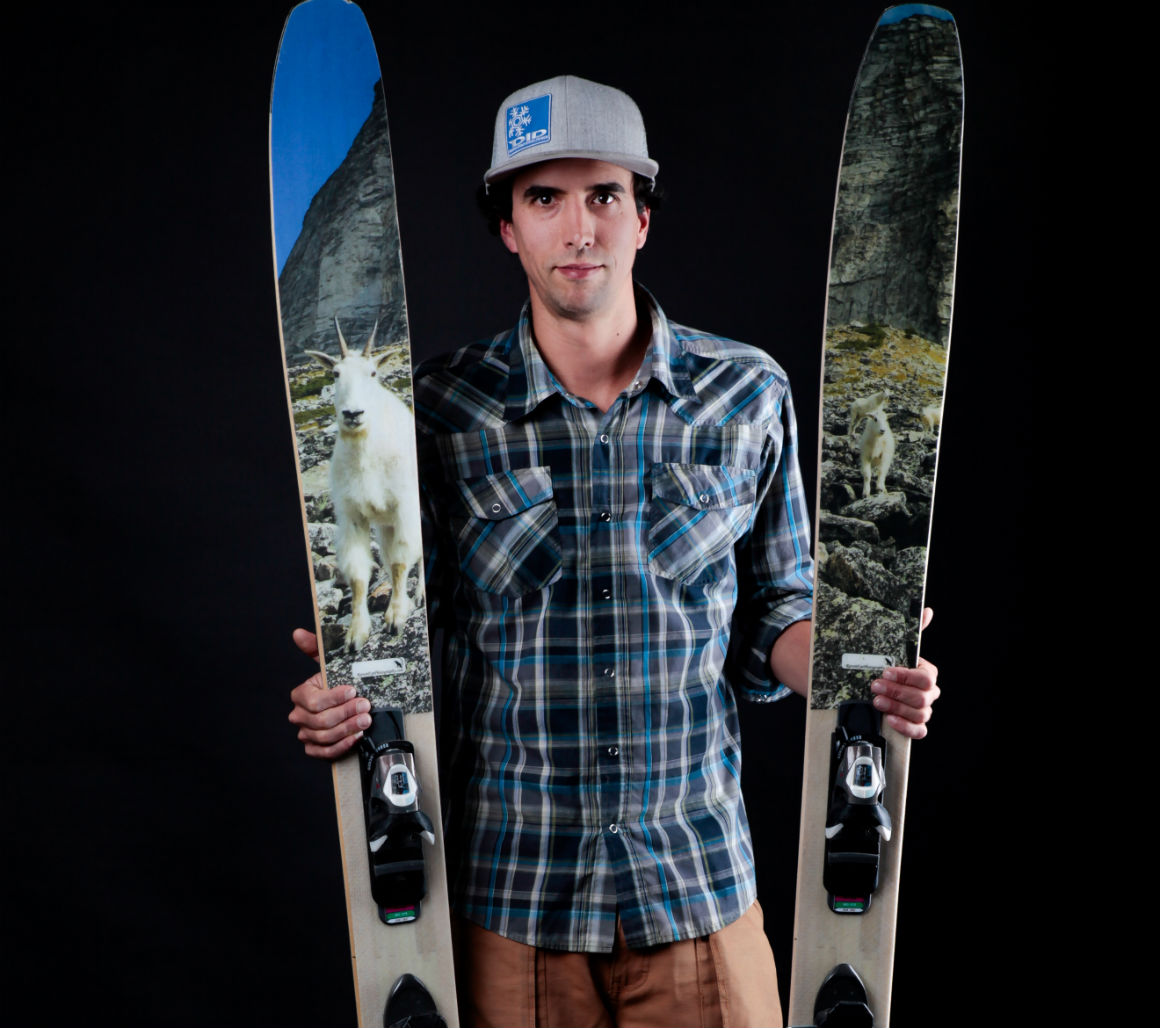
Most custom ski builders and shapers print their graphics on a solid, opaque plastic that is then laminated when the ski is put to press. Other Shapers, like DID, offer something different. DID uses a clear topsheet that allows you to see the core and the internal construction of the ski. It also allows you to leave the ski blank, showing only the woodcore and logos.
Other options include choosing from a selection of basic colour designs or a library of over 25+ high res pictures from local photographers. Another lets you upload your own pictures and, within simple guidelines, design or have designed a custom topsheet that only you will have: pictures of your children, family, landscape or anything you want really.
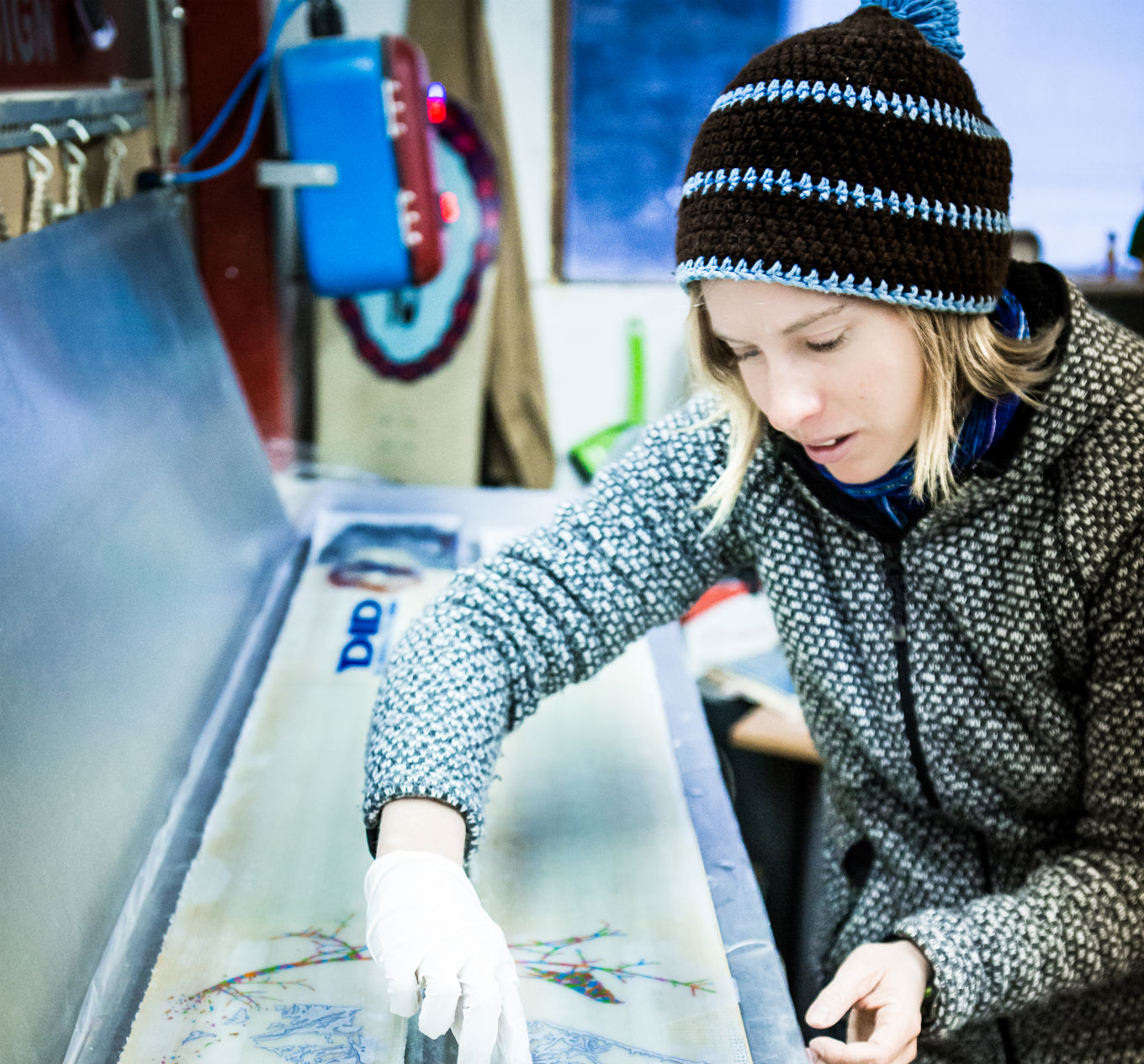
For the more adventurous and artistic, DID is one of the only companies to offer you the chance to paint your own topsheet. Supplied with special paper and easy-to-follow instructions, you will be left to draw from your imagination with acrylic paints and brushes on the paper, this will then be laminated and pressed under your topsheet.
P-tex bases make your skis glide effortlessly on snow and, can make you recognisable while riding the lift. There are two ways to make a graphic on the base of skis: one is silkscreen or sublimation printing on the back (inside) of a transparent base, the design thus shows through the base. The second is die-cutting in which every colour of the graphic is another piece of solid colour base, all puzzled together to form a design. Once the base is pressed with the ski, all these pieces become fused together.
The big brand companies offer silkscreened, sublimated or a black colour based die-cut, usually simple compositions. The newer core companies have brought more vibrant colours and more intricate die-cut designs. Custom ski builders and shapers usually offer a simple, one colour base with a single, small, die-cut. Colour choice is typically limited to black or a few other colours may be offered. In DID’s case, we offer a die-cut pattern that includes two colours and a company logo. We offer a few colour choices. It makes for a bright, colourful, unique base.
Make skis by hand: The manufacturing process
Once all the aesthetic elements of your ski have been decided, it is time for the shaper to get to work manufacturing your unique pair of skis, according to your specifications. Materials like topsheet, triaxial fibreglass, tip fillers, base material will be cut from rolls into desired lengths and widths. Your core will be selected and profiled according to your specified flex.
Core profiling is the process by which the core is planed in a way that varies its thickness – thick underfoot for support and thin in the tips for flex. Custom ski builders and shapers typically offer the option of a stiff, medium or soft flex for any of their skis. Your base will be die-cut to shape and edges will be attached. Once all the components are ready, it is time to laminate them all together.
Starting with the base with its attached edges, vibration dampening rubber over the edges, base layer of fibreglass, core, top layer of fibreglass and topsheet. Wetting out the fibreglass with epoxy between layers will provide a secure bond. Once all the components are sandwiched together, the laminated ski is then put under heat and pressure in a pneumatic press.
 The heat cures the resin and the pressure makes the laminate conform to the camber bed and tip/tail risers. It also leaves just enough resin to saturate the fibreglass. Once the resin is cured, the skis are taken out of the press, popped off the mould and left to cool and post-cure. The skis can then be finished.
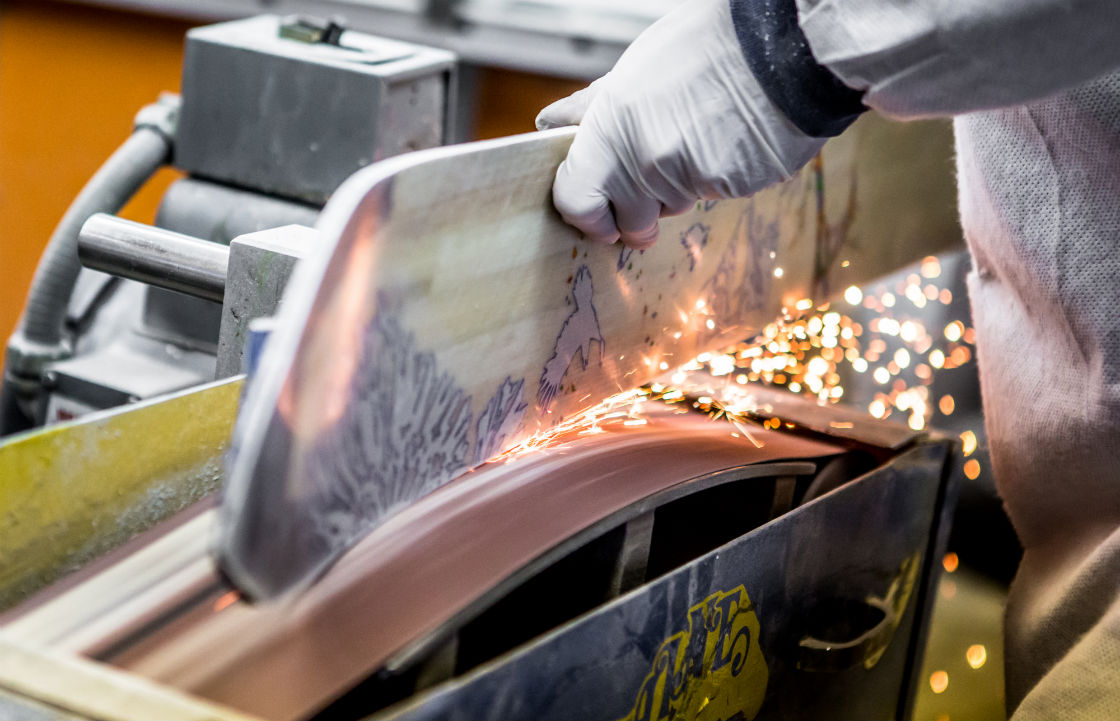
The excess resin that has solidified outside of the ski shape is trimmed off, the side edges are grinded clean and sharp, the sidewalls are chamfered, and the bases are ground to a smooth finish. The bases are then finished by hand with base edge bevel and slight detuning at the skis contact points. They’re then waxed and the topsheet masking film can then be removed.
The entire manufacturing of a ski for small custom builders takes around ten hours of work. You are then ready to experience ski customisation at its best, by skiing on a truly unique, completely handcrafted ski.
Happy skiing.
Written by Jean-Vincent LeBrun the CEO, Designer and Shaper at DID Ltd. To find out more about custom skis visit: www.didcustom.com


